Tag Archives: Field Trip

DEARBORN: The Ford Homes

23 Dec

ford homes 111 (1)

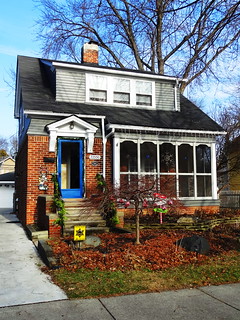
In 1915 American Industrialist Henry Ford built the Henry Ford and Son Tractor Plant in the city of Dearborn. In addition to American production, Ford built 6,000 tractors for England and 1,000 for Canada in 1917 to assist the countries with food production during WWI. By 1918 the plant employed nearly 400 men, most of which were forced to live in Detroit because of the lack of housing in Dearborn; it took workers an hour via streetcar to get to work everyday. The idea to build a planned subdivision that would allow workers to live close by was embraced by Ford. The Dearborn Realty and Construction company was formed with Clara (Henry’s wife) and Edsel (his son) owning 2/3 of the shares, Henry was not a shareholder. The company purchased 312 lots with the intention of constructing modern, tastefully designed homes, each a suitable size for an average family. They were to be built of the best materials and differ in appearance, there were six different models, A-F, all are colonials.
ford homes 007 (1)ford homes 005 (1)

ford homes 002 (1)

ford homes 008 (1)ford homes 010 (1)

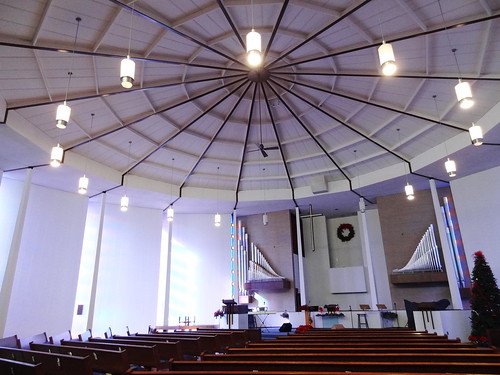
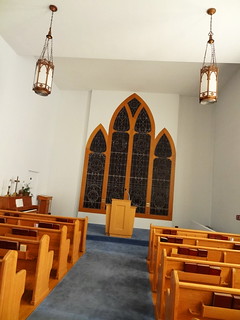
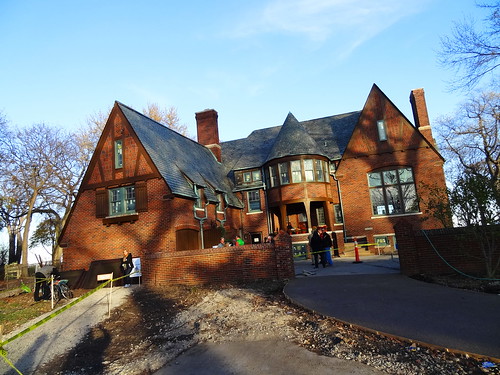
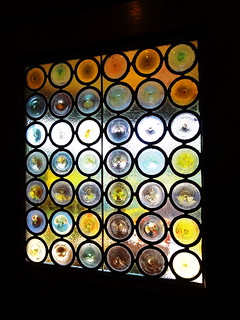
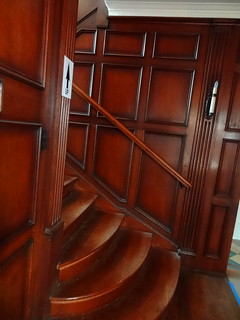
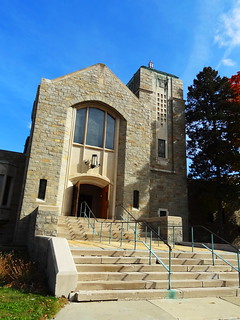
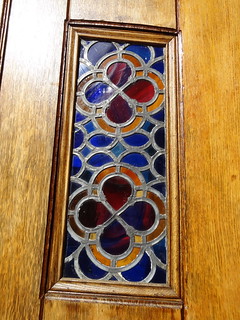
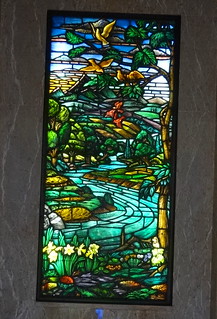
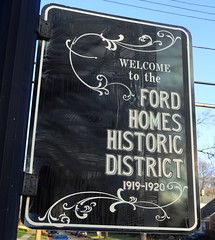
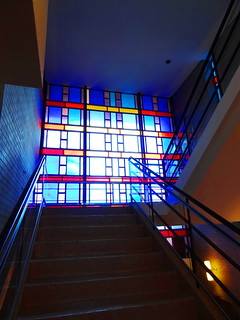
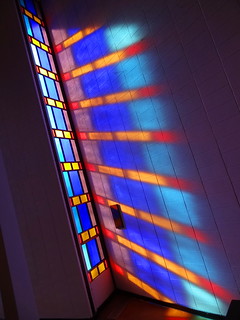
Today we are doing the Ford Homes Historic District Holiday Home Tour, we don’t know too much about the area so we’re excited to check it out. We purchase tickets at Reach International Church on Nowlin St. The building is a collage of the original structure and additions through the years from 1924-1964. We are invited to look around the church, the Sanctuary was added in 1964 and is a reflection of the Modern architecture popular at the time, colorful stained glass in linear patterns is reflecting onto the walls, placards explain the symbolism of architectural details. We ascend and descend short staircases pausing to look in various rooms, photos and finally the original chapel. 
ford homes 027 (1)

ford homes 014 (1)ford homes 024 (1)

ford homes 019 (1)

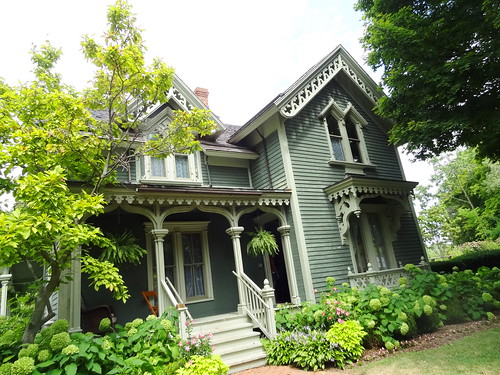
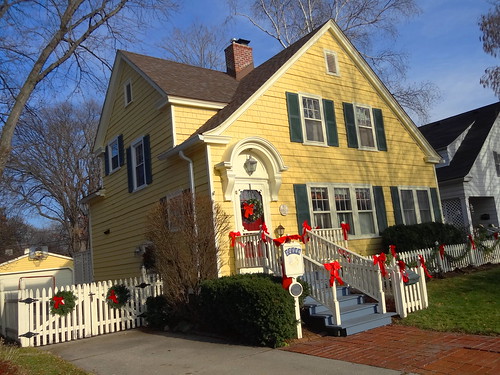
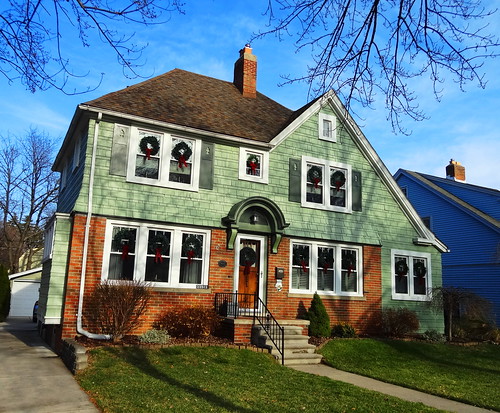
Tour booklets in hand, we hit the sidewalk, from the map it looks like the tour houses are reasonably close together. All of the Ford homes were constructed in 1919 and 1920, 250 in all, spread out on Beech, Nona, Park, Edison, Francis, Gregory and Military streets. Henry Ford had definite ideas of how things should look and be, he insisted the homes not be placed an even distance from the street, here we have 3 houses 24′ from the street the next 4 are 32′ so a staggered look is achieved. He insisted various models be placed on each block, making each home appear distinct–it works. Ford homes were purchased directly from Dearborn Realty and Construction Company, no banks were involved. Once you purchased a house, you could not sell it again for at least 7 years; the company retained the right to re-purchase a home within the first 7 years if the buyer was deemed ‘undesirable’.

ford homes 068 (1)

ford homes 087 (1)ford homes 084 (1)

ford homes 081 (1)

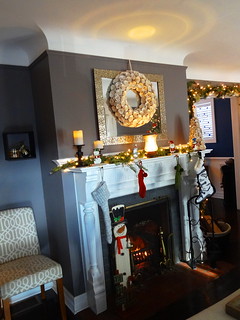
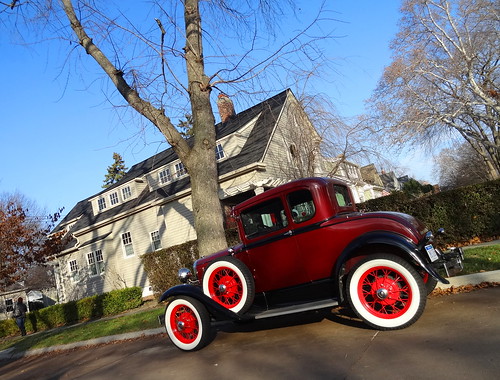
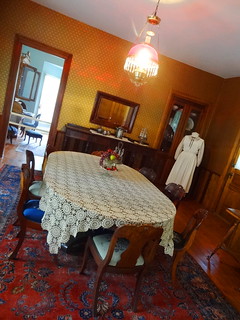
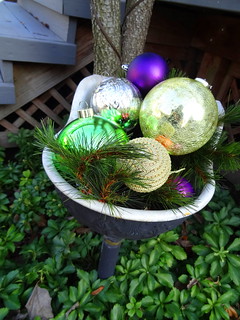
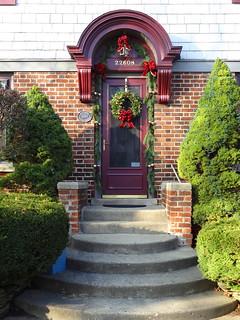
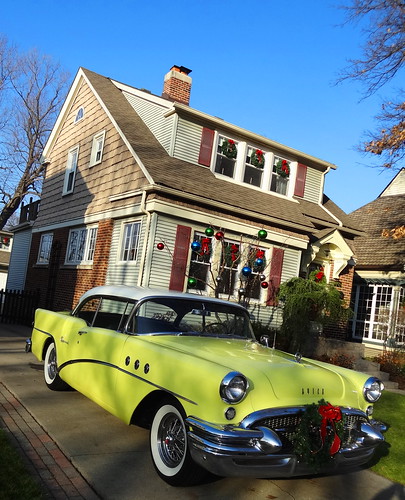
We start out on Beech, a Model B home, then down Gregory to a Model A and C, although the homes have many things in common each buyer added their own special touch with options like built-in cabinets, fireplace surrounds, doors with 3 or 6 glass panels, brick or siding. Nearly 100 years later I’m astounded by how original they still are; floors, light fixtures, cove moldings, shutters, amazing. Homes are decked out for the holidays; trees, garlands, wreaths, miniature lights. Dining room tables are set for a holiday feast, settings look like pictures from a magazine. Neighborhood streets are absolutely charming, front porches are welcoming, old-fashioned lamp posts are wrapped with greenery and red bows, vintage cars are making a special appearance for the tour, a burgundy Model A, turquoise Packard, yellow Buick and a Model T (black, of course) are all parked in driveways. Homes are beautifully maintained, many have had additions through the years, care as been taken to unite the old and new.
ford homes 030 (1)

ford homes 078 (1)ford homes 082 (1)

ford homes 063 (1)

We have visited 11 homes in the Historic District, I think we’ve seen all but one of the six different models offered. The Ford Homes are distinct, they were built with a production-line approach to construction. Lots were excavated by Ford tractors then the foundation crew arrived, followed by the framing crew and on it went. Each crew had its own specialty, something unheard of in 1919 when a home was generally built from the ground up by a single construction crew. In September 1920, following a slow-down after the war, the tractor plant was moved to the massive Rouge Plant, the workers soon followed, after that no more Ford Homes were built– the remaining lots were filled with other homes put up after 1921. It’s clear the people who to live in these houses take pride in their neighborhood, appreciate the unique history they represent and share it by opening their doors to all of us, thank you for that.
ford homes 089 (1)

ford homes 032 (1)

ford homes 044 (1)ford homes 041 (1)

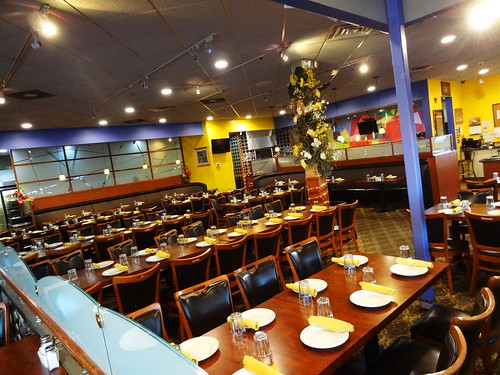
We are having lunch at Al Ajami on W Warren Ave. After eating at many other places in the area, Al Ajami is still our favorite. The large modern interior has table seating for large or small groups and cozy booths on the upper level. We are seated in a large booth in the front window, a server immediately arrives with a pickled vegetable platter and a basket overflowing with fresh-from-the-oven pita bread. These little round pitas are slightly crisp outside, tear into it and watch the steam be released, the inside is moist and tender–I think I could make a meal of the pita and vegetables alone….. Well, that and the vegetarian combo: fresh tabbouleh, falafal, grape leaves, creamy hommous, smoky baba ghanouj, so delicious! We eat until we can eat no more. It’s been another fun day of exploring topped off with an outstanding meal.
ford homes 134 (1)

ford homes 127 (1)

DETROIT: Upscale Retail

9 Dec

corridor 043 (1)

If you haven’t been to Midtown recently, you need to check it out. The ever-expanding list of places to eat and shop is mind-blowing. With the holidays just around the corner, there’s no better time than the present! Be forewarned, the good ol’ days of free parking are gone–you’ll need a bag of quarters or credit card and your license plate number to feed the pay station, ok, now we’re ready…..

corridor 087 (1)

corridor 031 (1)

corridor 025 (1)corridor 018 (1)

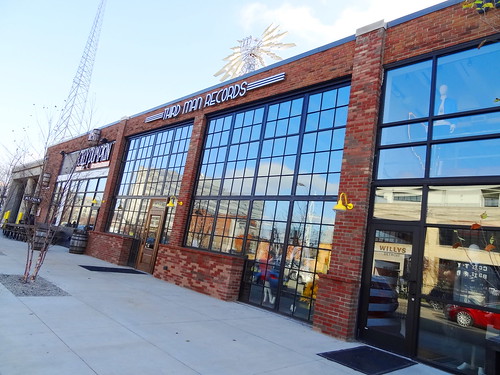
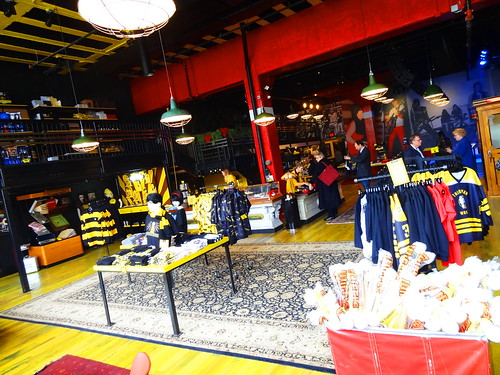
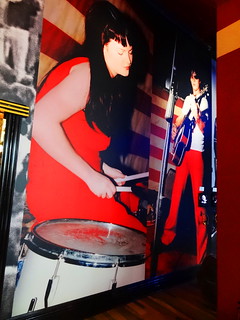
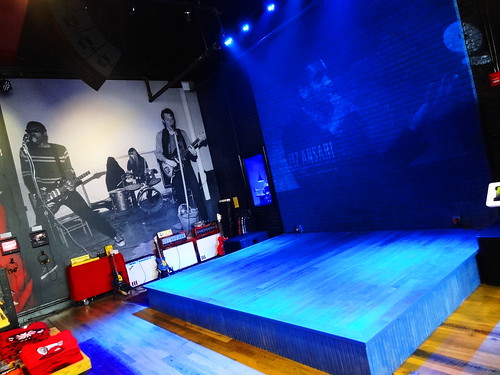
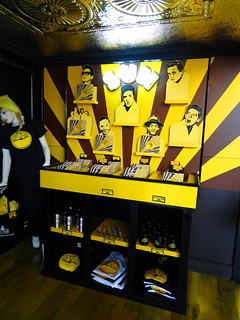
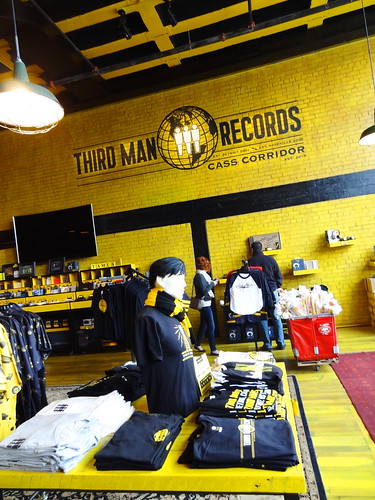
The newest and probably most anticipated shop to open is Jack White’s Third Man Records on W. Canfield. You may remember Jack and Meg White from their White Stripes days, they played the Detroit bar scene before making it Grammy-award-winning-big. For music lovers, this place is heaven on Earth,  there’s enough kitschy-cool novelties, records, t-shirts and videos to keep everyone entertained. Yellow and black are the label’s signature colors–it’s everywhere–walls, floors, clothing, even the Christmas tree. The front of the shop is filled with merchandise from skateboards and scarves to Hawaiian shirts and Stormy Kromer hats. Vinyl records in 45’s and lp’s fill racks lining the walls; in addition to Third Man there are selections from the Sun and Tamla labels. Photos of Jack, Meg and other band mates reach from floor to ceiling, a video is being projected onto the back wall of the stage area; guitars, amps and monitors are quiet at the moment.

corridor 037 (1)

corridor 016 (1)corridor 005 (1)

corridor 041 (1)

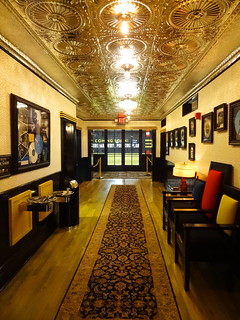
Headphone stations throughout the space allow you to listen to old favorites or the latest release; you can listen to the entire Third Man catalog in the Listening Booth. Have a seat in the lounge area while paging through one of Third Man’s books, take a ride on a motorized elephant scooter, pose with friends in the photo booth, watch the Mold-A-Rama machine create a miniature version of the rolling record store, pick up a CD by the White Stripes or The Dead Weather.  At the back of the showroom a long hall with a fabulously shiny pressed ceiling leads us to the future vinyl record pressing plant opening soon. Jack doesn’t live in Detroit anymore, but his presence is felt all over the city. In addition to donating a small fortune to the city and saving the Masonic Temple from the auction block, he’s now providing jobs and a cool place to hang out. 

corridor 058 (1)

corridor 060 (1)corridor 053 (1)

corridor 051 (1)

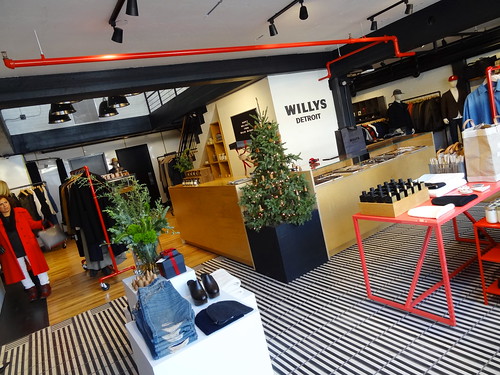
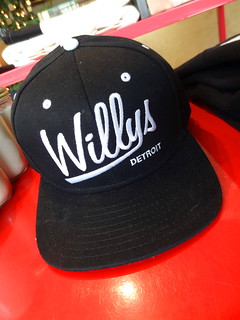
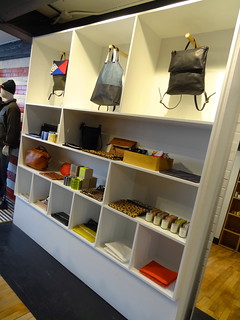
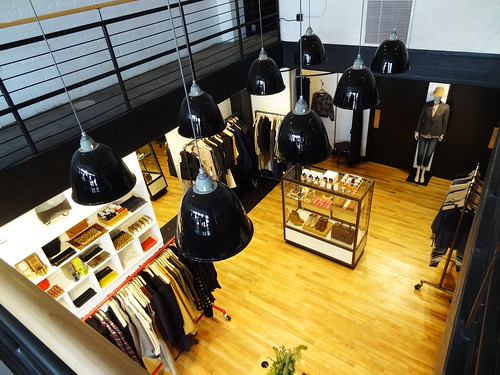
Next door is a high-end men’s and women’s store selling clothing, accessories and housewares called Willys Detroit. This entire complex of shops is housed in the old Willy’s Overland Motor Company building–hence the name. The compact space is bright inside as natural light floods the room; items are displayed on rolling racks, tables and cubbies. Only a limited number of each item is stocked, so the selection changes often. Seasonal items such as Levi’s jeans, flannel shirts, sweaters and warm jackets, all brand names, attract shoppers. Handbags, backpacks, hats and shoes complete any outfit. Upstairs mannequins pose in large front windows; thick winter hats, gloves and jeans are being prepared to sell. 

corridor 074 (1)

corridor 073 (1)corridor 065 (1)

corridor 076 (1)

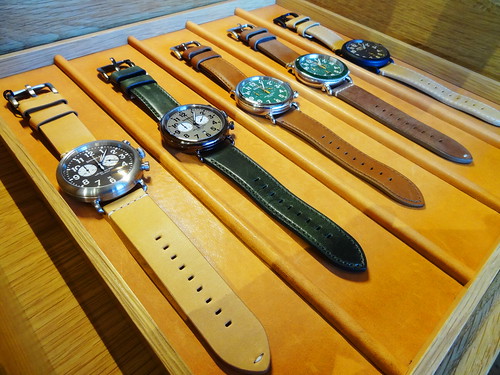
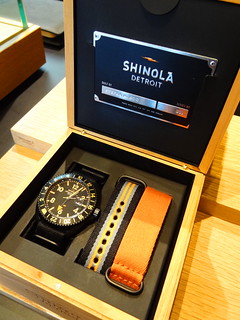
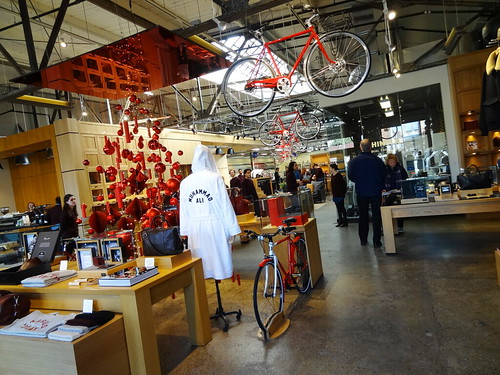
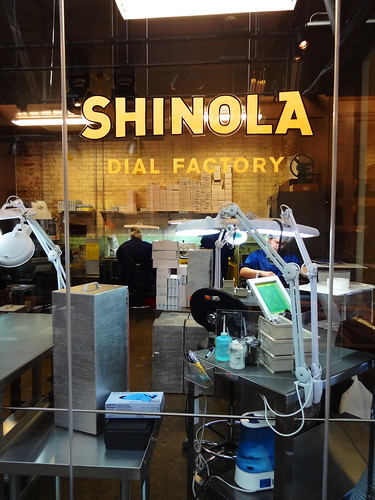
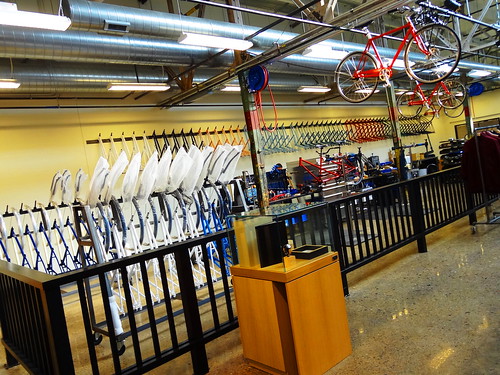
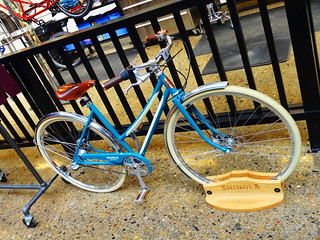
We stop in at the much larger, remodeled Shinola; there’s a tiny  cafe offering Commonwealth Coffee and pastries by Sister Pie, visitors sip on espresso while paging through coffee table books. Up front you’ll find watches, watches and more watches; big ones, small ones, bands in leather, rubber or stainless steel,  mens and womens, in a multitude of colors and designs. New is the Muhammad Ali collection of limited edition products, Shinola has partnered with the Muhammad Ali Center for their Great Americans Series, I’m especially intrigued by the vintage black and white photographs. Reaching from the center of the store all the way to the back you can watch bicycles being hand-built. Pick your frame, your color and jazz it up with leather accessories and an old-fashioned bell– a truly unique way to by your next bike. Across the room you can watch technicians in lab coats and funny hats assemble watches with great precision. The Shinola tag line is : Where American is Made. One thing they continue to make is American jobs.

corridor 071 (1)

corridor 070 (1)

corridor 063 (1)

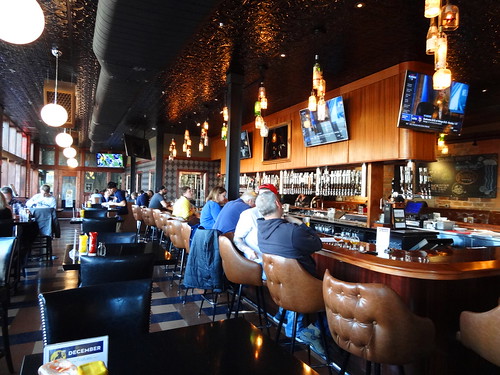
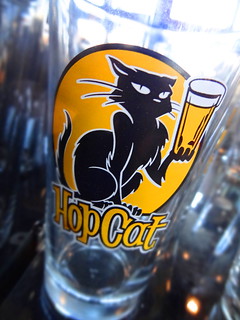
We’re having lunch just up the street at Hopcat on the corner of Woodward and Canfield. The original Hopcat opened in Grand Rapids MI in 2008, there are now 8 locations in the Midwest, 4 of them right here in the mitten. Years ago Agave was serving up top-notch Mexican dishes in this space, today people enjoy craft beer and tasty food in the newly re-done building. A large bar runs the length of one wall and wraps around the corner, the line of tap handles across the bar are too numerous to count, liquor bottles have been re-purposed into hanging light fixtures, wide, comfy-looking bar stools are filled with patrons this afternoon. We are seated at a high-top table in one of the front windows, Kris looks at the food menu while I study the beer selections. In addition to the Local 30, they serve a dizzying array of Ambers, Browns, Lagers, Light Ales, Wheats, Belgians, Barleywine, Scotch Ales……well, you get the picture.

corridor 142 (1)

corridor 149 (1)corridor 134 (1)

corridor 153 (2)

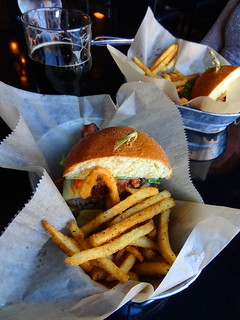
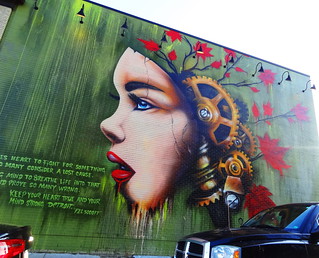
Kris orders lunch and I choose the Thirsty Trout Porter from Dark Horse in Marshall MI. The Cowboy Burger arrives, an 8 oz. patty topped with fried jalapeno peppers, pepper jack cheese, apple cider bbq sauce, cherry-smoked bacon, lettuce, tomato and onion, delicious. The burger itself is juicy, love the tang of the bbq sauce and the heat of the jalapenos. Of course you must have the Crack Fries when you come here, Food Network Magazine put them in the Top 10 French Fries in America; crispy, crunchy, peppery, yum! Outside we pause to check out a lovely Detroit-themed mural by Fel3000ft, I’m awed by his work.

corridor 125 (1)

corridor 093 (1)

corridor 116 (1)

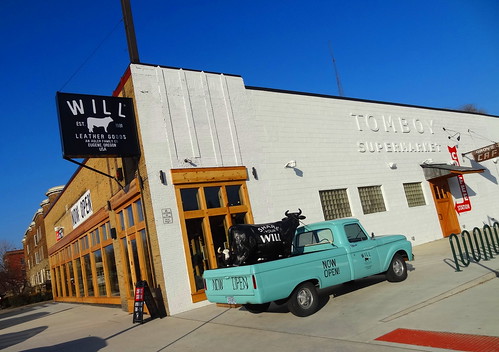
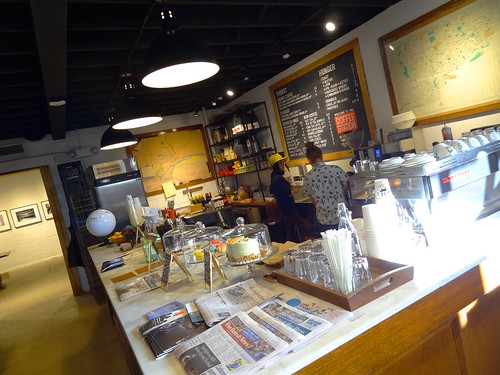
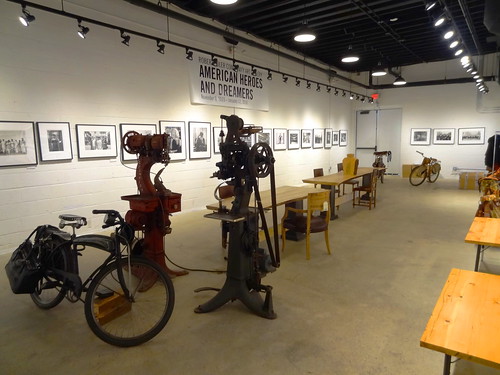
Over on Second we park the Jeep in the Will Leather Goods parking lot. This is truly one of the most aesthetically pleasing, harmonious, welcoming stores we’ve been to in a very long time. A red arrow painted on the side of the building directs us through the giant door to the Coffee Station; a cozy little area offers visitors a place to relax with coffee, pastries and toast–in case you’re wondering, the carrot cake is outstanding! Behind that is a gallery space, currently a photography show entitled American Heroes and Dreamers is on exhibit. 

corridor 121 (1)

corridor 096 (1)corridor 111 (1)

corridor 100 (1)

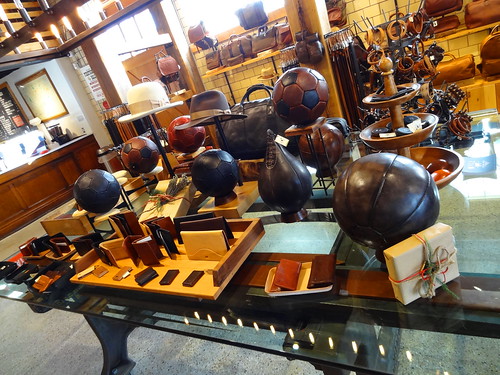
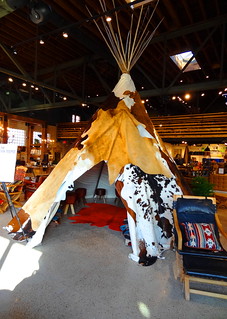
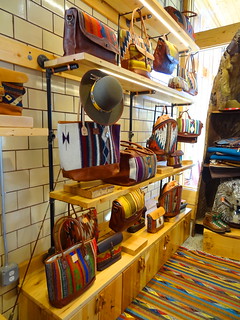
The retail space is one large area (this is the former Tomboy Supermarket), the fragrance of leather is intoxicating, a full-size teepee sits in the middle of the floor. Merchandise is thoughtfully arranged on tables and shelves, you’ll find everything you’d expect to see in a leather goods store: wallets, belts, gloves, purses, briefcases, key chains, duffles, and so much more. For Will Adler the garment industry is in his blood; his grandfather, father and brother all worked in the industry in Detroit. Will, a local who moved away at age 20 to pursue an acting career, has turned his leather goods business into a lifestyle brand. In this, his Legacy store, he combines the industrial, mechanical Detroit, with the colors and outdoor feel of his current home in Eugene, Oregon. Read his fascinating life story and career path on the Discover Your Will page. Another Detroiter coming back to support the city. So, there you have it, a whole list of places to shop, snack, eat and drink in your pursuit of the perfect gift.


Olde Grosse Pointe

2 Dec

gp 172 (1)

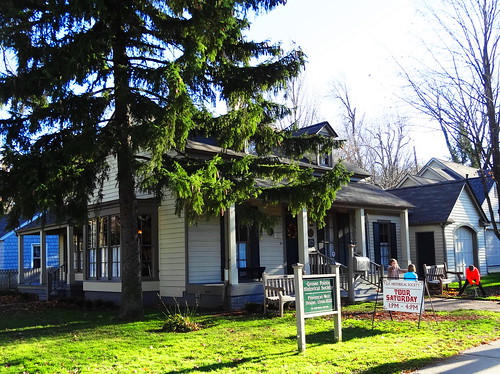
Today we are touring the Provencal-Weir house, believed to be Grosse Pointe’s oldest surviving residence, it dates back to 1823. Originally, the house sat near Provencal and Lake Shore roads; home to Pierre and Euphemia Provencal, they raised their daughter Catherine and 20 adopted children in this tiny home. In 1800 Father Gabriel Richard first came to the Pointe as a visiting priest saying mass on the lawn of this home. The structure has gone through many transformations serving as a family home, a summer cottage, it was moved to its present site and became a grocery store, a real estate office and a rental house. The Grosse Pointe Historical Society bought the building, renovated it and turned it into a museum and One-Room school.

gp 029 (1)

gp 001 (1)

gp 022 (1)gp 004 (1)

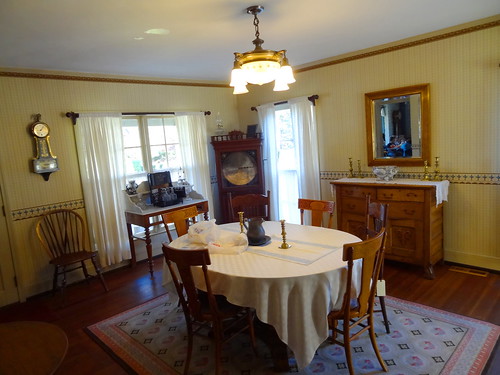
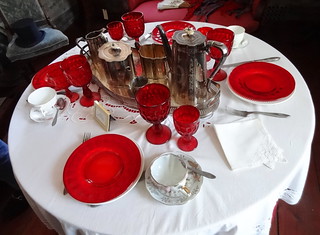
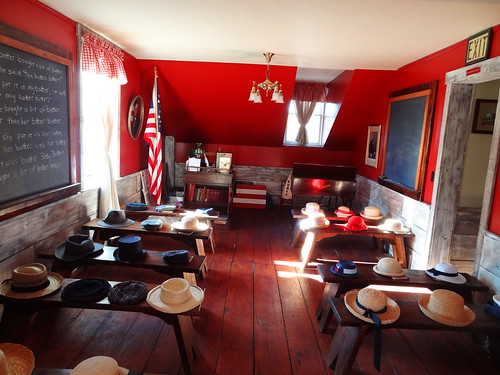
The original wide-plank floors remain as well as the timber frame, the rest of the house has been reconfigured numerous times and is decorated in the style of the 1850’s-60’s. We begin our guided tour in the museum shop area and proceed to the dining room, around the corner an old-fashioned stove sits across from a modern kitchen. In the family room walls are covered in patterned wallpaper, a fireplace hugs the inside wall; kids are hard at work making crafts today. Upstairs women’s clothing is displayed along with hats, antique furniture and oil lamps. A table is set with a sterling silver serving set, vibrant red glasses,dishes and china tea cups. Bathrooms were updated when it was a rental unit, someone put in Pewabic tile floors. The remainder of the upstairs is used as a one-room school where second through fifth graders get the opportunity to see what going to school was like 100 years ago. 

gp 013 (1)

gp 006 (1)

gp 011 (1)

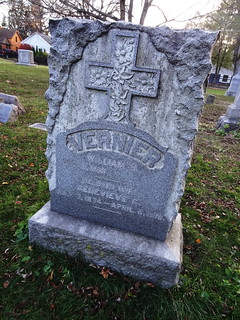
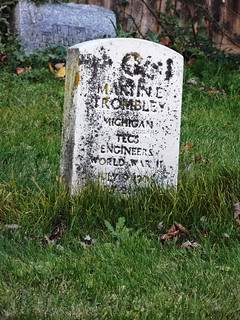
At about the same time Cadillac arrived in Detroit many French settlers were making a new life for themselves in Grosse Pointe. In the 1700’s the Pointe was heavily wooded and swampy, the French began clearing land for farms and orchards; the women farmed while the men hunted and traded with the Indians. All farms had water frontage, usually 300 ft and ran back about a mile, these long narrow plots were called ribbon farms. Some of the early settlers came directly from Normandy France, others went to Quebec first, then the Detroit area. Early residents include Moran, Vernier, Gouin, Trombley, St Antoine and Rivard–recognize their names? They can all be found on street signs all over the Pointes as well here in the St. Paul Cemetery.

gp 158 (1)gp 180 (1)

gp 166 (1)

gp 175 (1)

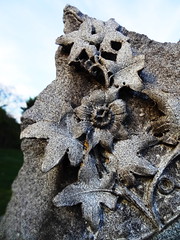
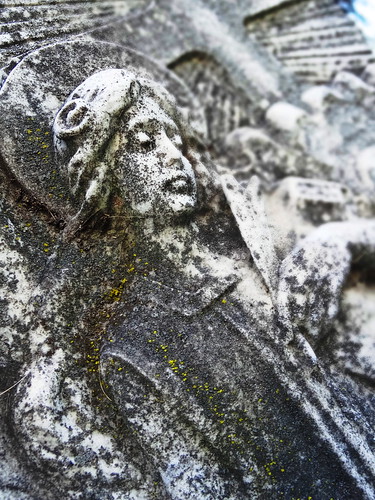
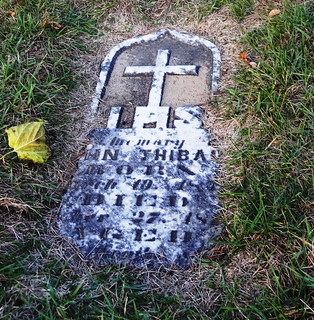
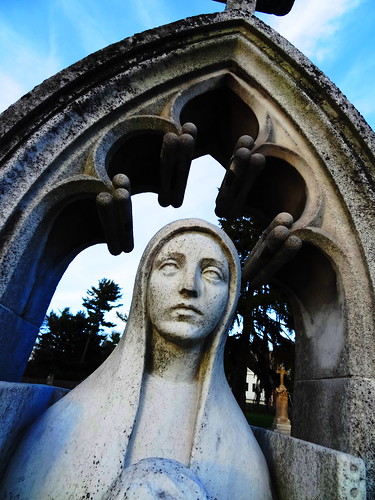
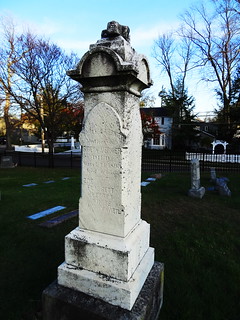
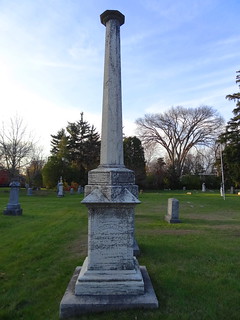
Located at Moross Rd and Country Club Lane, this is the only cemetery in Grosse Pointe; the earliest burial dates back to 1831, Catherine Vernier. The grassy lot is dotted with headstones, crosses, monuments and statues. We walk around the seemingly forgotten cemetery reading names and dates of the departed. Many have worn down through the decades making it impossible to make out the inscriptions, headstones have sunk into the ground, I push the dirt with my foot to get a better look. Many of the Vernier’s are here, the Melton headstone has decorative ceramic pieces that remind me of a ‘partridge in a pear tree’. A large statue of a woman holding a child is surrounded by a Gothic style arch.

gp 161 (1)

gp 137 (1)gp 142 (1)

gp 154 (1)

From the late 1800’s to the early 1900’s lumberman cut down trees, taking away the woods, the wealthy from Detroit came in and built mansions on the lakefront giving them names like Bellevue, Tonnacour, Rose Terrace and Otsikita Villa. Senators, attorneys, businessmen and merchants moved in, the Pointe was divided up into smaller communities: Grosse Pointe Farms, The Village, The Park, The Shores and Grosse Pointe Woods. While many of the grand old mansions have been torn down, a great deal still remain. Between the Provencal-Weir House, the Grosse Pointe Historical Society and the cemetery, the history of this quaint community lives on.

gp 041 (1)

gp 037 (1)

gp 035 (1)

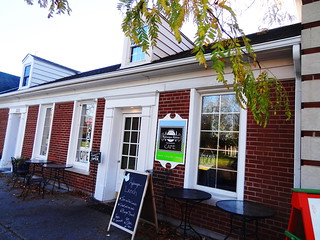
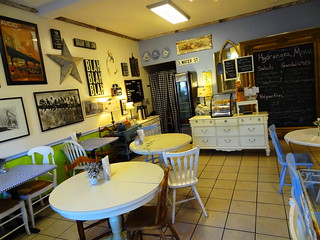
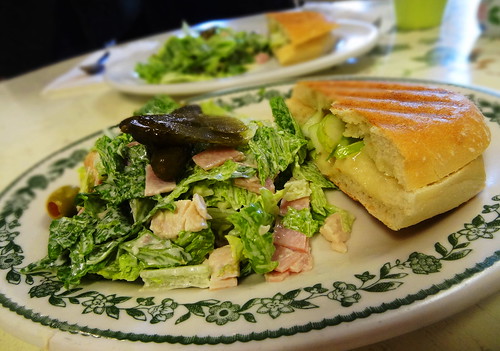
We’re having lunch at Hydrangea Kitchen over on Fisher Rd. Housed in a 1-story red-brick building, when I first walk in I feel like I’ve entered a little boutique. Mismatched tables and chairs are scattered throughout the seat-yourself space, a tall framed chalkboard menu stands behind the counter. As soon as Kris sees the JL Hudson Maurice salad, he knows what he wants; I pick the sandwich. I grab a cup of coffee from the serve yourself thermos and check out the decorative items around the room, much of it is for sale, so I guess it is a boutique and a restaurant. Our plates arrive, each with a half salad and sandwich; the panini is a combo of country Brie, melted butter and sliced Granny Smith apples on a warm, crisp ciabatta roll. The Maurice is really good, they even got the garnish of green olives and gherkins right, but Kris will tell you it’s not ‘Hudson’s’ good.

gp 130 (1)

gp 048 (2)gp 049 (1)

gp 059 (1)

Today we Sneak-a-Peek at the future Designers’ Show House sponsored by the Junior League of Detroit. Located at 15500 Windmill Pointe Drive, we have been keeping an eye on the place as work has progressed, I’m so excited to have a chance to get inside! The home is a beautiful 3-story English Tudor built in 1927 for American aircraft designer and VP of engineering at Packard Motor Car Company, Colonel Jesse G Vincent. The house was recently sold, emptied and the new owners have donated the place to be used as the 2016 Show House. The house is opened for two days for a ‘bare bones’ tour before the designers take over. The thing about these old houses is, even empty, void of any decoration, they’re still stunning.

gp 072 (1)

gp 090 (1)gp 054 (1)

gp 125 (1)

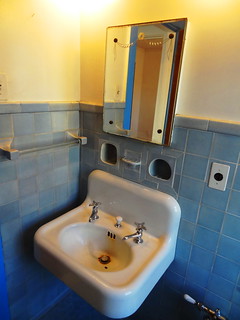
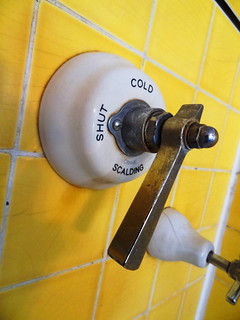
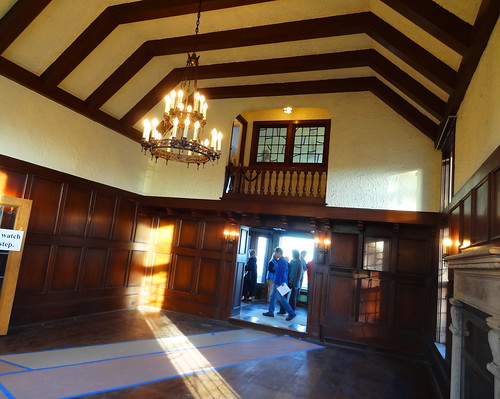
The cement contractor is hard at work getting the driveway poured, we pay our $5 and anxiously step inside one of Grosse Pointe’s most distinctive homes. Foot traffic is directed by a series of arrows and human traffic controllers telling us which way to go; we’re happy to see many of the original light fixtures, radiator grills and fine details are in tact. The wood is gorgeous, I’m guessing dark walnut, it’s all over the place; paneled walls, steps, floors and beams. Bathrooms are fully tiled in yellow, lavender and blue, pedestal sinks remain. We’re a bit curious about the temperature settings in the shower: Cold, Hot and Scalding…. We meander through bedrooms, sitting rooms and a turret on the second floor, there’s a balcony that overlooks the living room, wow! All of the leaded and stained glass in the home is unique, window pieces are square-shaped, the front door is circles, I like that a lot.

gp 092 (1)gp 102 (1)

gp 076 (1)

gp 113 (1)gp 109 (3)

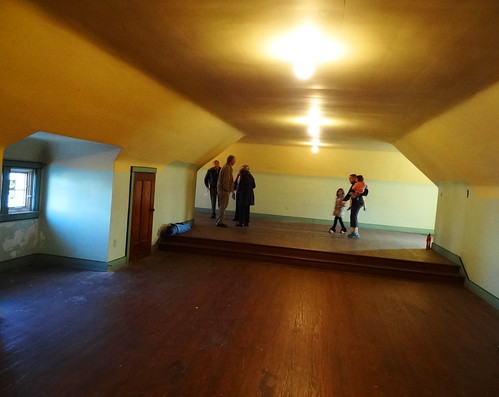
The third floor is the ballroom, it’s huge, it even has a stage area where a band probably played. It’s just one big empty space now, it’ll be interesting to see what the designers do with it. We are directed back downstairs where we get an up close look at the living room, dining room and kitchen; lots of wood, ornate plaster and the view, we have to talk about the view….. There’s an unobstructed view of Lake St Clair everywhere we look, today the sky and the water are almost the exact same shade of blue, the backyard fountain is in the process of being restored. This lot has its own canal that runs from the lake to a dry dock under the living room, impressive eh? The Show House runs May 7-22, put it on your calendar so you don’t forget. Maybe we’ll see ya there!

Historic Cleveland

19 Nov

clevelander 204 (1)

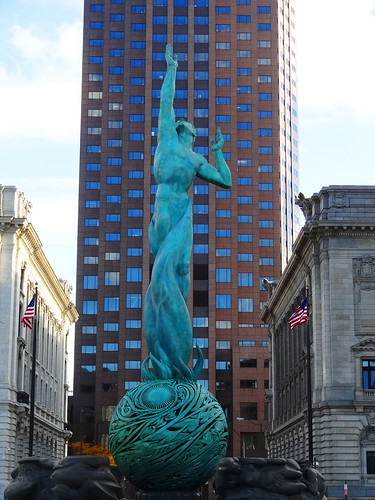
It’s a beautiful day in Cleveland Ohio. We take advantage of the mild November temperatures and head downtown to do our own architectural walking tour. With the Jeep tucked away in a nearby parking structure we can take our time checking out the city without having to worry about feeding a meter. Our first stop is Marshall Frederick’s Fountain Of Eternal Life, also called the Cleveland War Memorial Fountain, Peace Arising From The Flames Of War, at Veterans Memorial Plaza. The inscription reads: IN HONORED MEMORY OF THOSE WHO GAVE THEIR LIVES FOR THEIR COUNTRY. This is one of my favorite Marshall Frederick’s fountains; four groups in Norwegian emerald pearl granite 4′ x 12′ represent the four corners of the Earth, in the center a 35′ bronze human figure stands on a ball reaching toward the sky. The water is shut off for the season but when it’s on it makes this an even more incredible sight.  It’s placement on the southernmost end of the Mall affords incredible views of prominent buildings such as Public Square, Key Tower and Terminal Tower.

clevelander 350 (1)

clevelander 159 (1)clevelander 157 (1)

clevelander 243 (1)

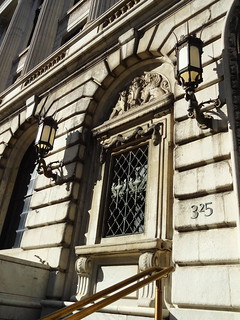
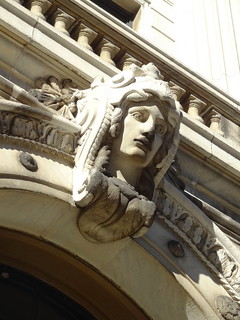
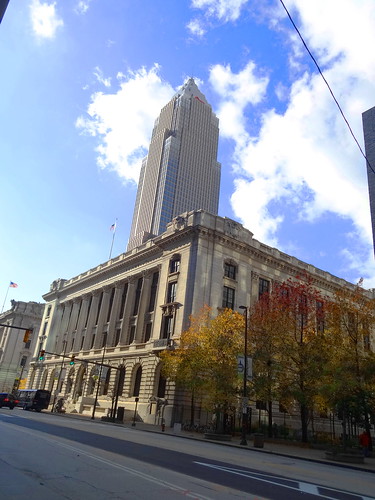
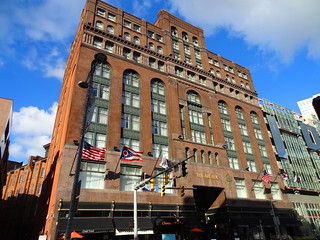
Over on Superior we admire the exterior of the Cleveland Public Library main library building. After decades of moving around in and out of temporary and rented spaces, this building was built solely for the Main Library in 1925. It’s one of those magnificent buildings you just stop and stare at; detailed carvings, sconces, leaded glass windows all hint to the beauty found within. Before we go inside here are a few interesting things I’ve learned about the library. This was the first large public library to allow individuals to select their own books directly from the bookshelves, at other libraries only a librarian was allowed to do so. This library was a big deal to the community, by the 1930’s more than 12,000 individuals walked through its doors daily. Today the CPL circulates one of the largest and most extensive collections in the country with nearly 10 million items. After years of decline the building was completely renovated in 1999 to the tune of $24 million. Ok, now we can go inside.

clevelander 160 (1)

clevelander 164 (1)clevelander 166 (1)

clevelander 229 (1)

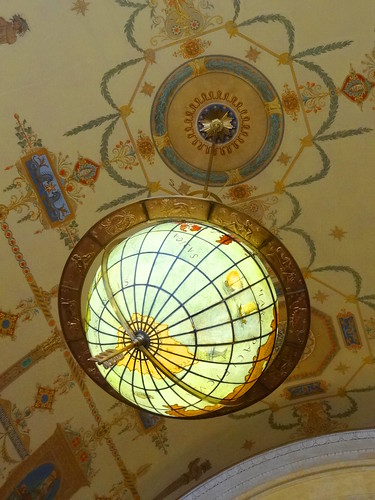
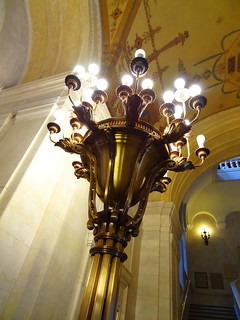
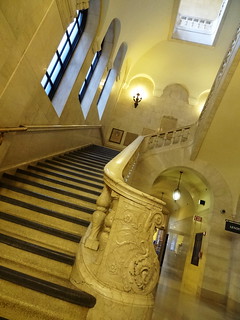
The entrance hall is flat-out gorgeous! There’s so much eye candy, my eyes don’t know where to focus. Straight up, a terrestrial globe made of pearl art glass glows softly, it’s based on one of the first maps depicting the early Americas done by Leonardo da Vinci. In the lobby, a barrel-vaulted ceiling is decorated with fine stencils representing the arts, writing and learning; looking back toward the door a brass clock is flanked by mythological griffins. Fantastic bare-bulb torchieres illuminate the lobby, it seems everything is marble including the main stairway and balustrade. Brett Memorial Hall is your basic reading room–you know, marble walls, coffered ceiling painted in rose, blue and gold; even the wool rugs match the colors and patterns of the ceiling. Travertine marble makes up the perimeter of the floor, this helps absorb sound echoes. Murals fill the upper walls, The City in 1822 by William Sommer was done in 1934 under the Public Works Art Project (PWAP), others were done in the late 1970’s, the bronze bust of Brett is original to the room.

clevelander 173 (1)

clevelander 191 (1)clevelander 182 (1)

clevelander 186 (1)

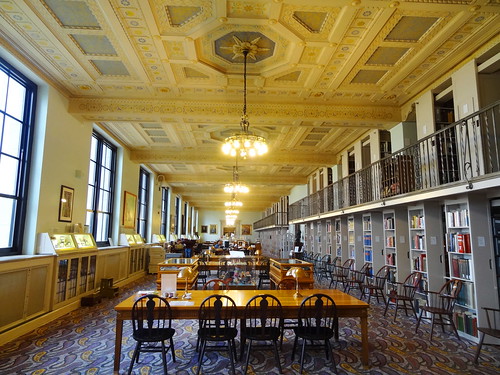
On the 2nd Floor the main attraction is a PWAP mural which depicts Cleveland’s waterfront in the 1830’s. Donald Bayard’s Early Transportation is as pretty today as it was in 1934, I enjoy the vibrant colors. The 3rd Floor is home to Fine Arts and Special collections, it’s our favorite floor. Here there are more paintings commissioned for the PWAP, exhibit cases in the corridor are made of wrought iron created by the Sterling Bronze Co. in 1925, we find materials related to the visual arts, musical scores and books and collectibles. The reading room is stunning; blue and gold floral designs decorate the ceilings, bare-bulb chandeliers light the space, doorways are surrounded by marble, doors are leather-covered. Large windows look out over the city, from here we have a birds-eye view of the Fountain of Eternal Life, the Mall, First Energy Stadium, and Lake Erie.

clevelander 190 (1)

clevelander 206 (1)

clevelander 202 (1)

clevelander 211 (1)

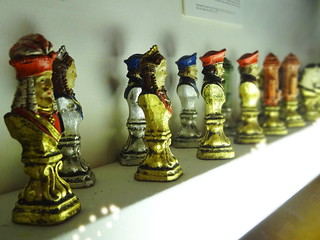
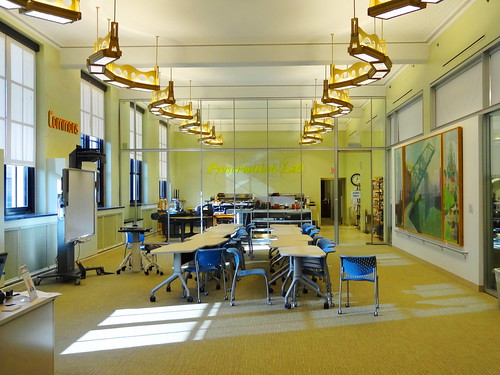
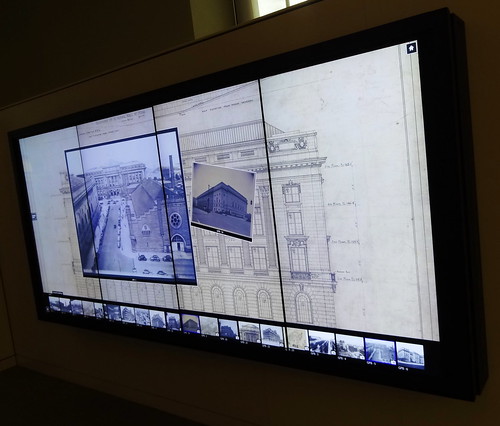
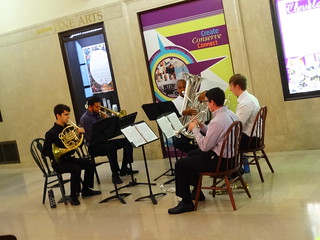
There’s a lot to look at like the John G White Chess and Checkers Collection; Chess sets are made of delicately carved wood, stone, figures, even Salt and Pepper shakers. To celebrate the 150th anniversary of Lewis Carroll’s Alice’s Adventures in Wonderland a special exhibit is on display until December 31. The Cleveland Digital Public Library on this floor opened last February; a touch wall, digital lab and Preservation department connect the past to the future; the first commissioned PWAP mural by Ora Coltman, Dominance of the City (1934) hangs here. A giant mosaic tile Globe rests in the 4th Floor lobby, pretty cool. Suddenly music fills the air, as we descend the staircase we find a group of musicians has gathered at the top of the 3rd Floor, it seems they are warming up for a wedding that will take place here shortly. The sound follows us down to the main floor, it’s magical.
clevelander 271 (1)

clevelander 327 (2)

clevelander 332 (1)clevelander 263 (1)

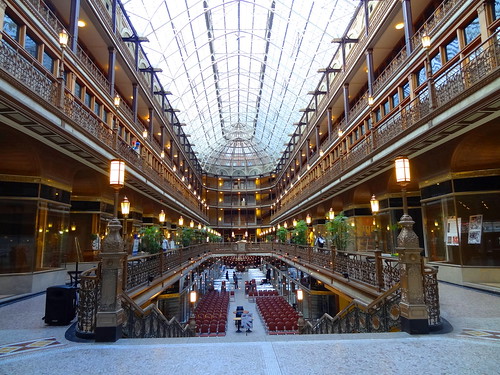
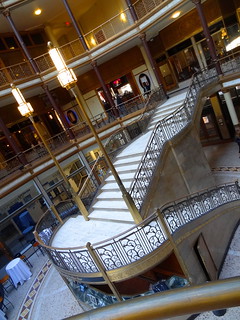
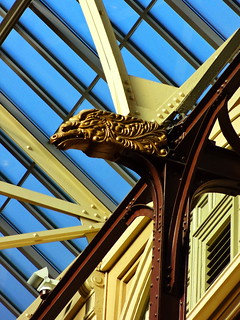
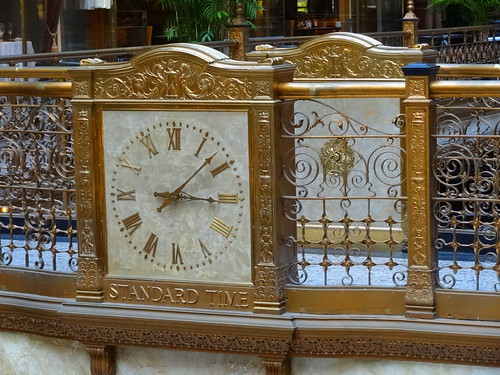
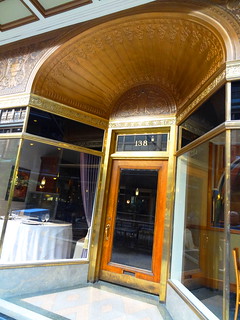
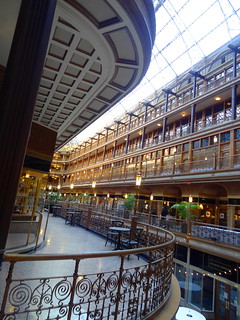
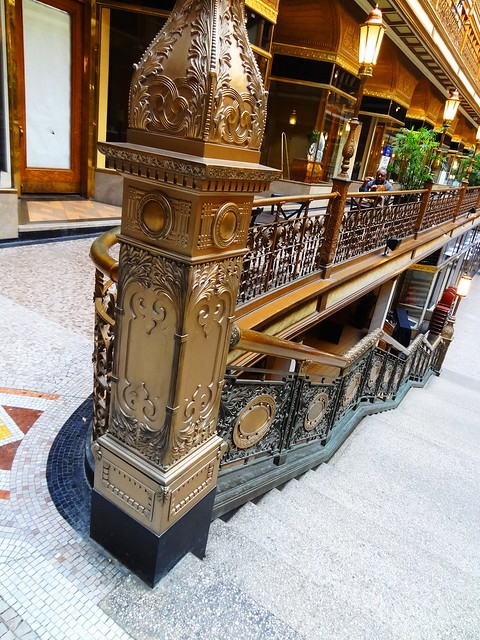
Outside we realize we are just across the street from The Arcade, we pop in whenever we’re in the area. Built in 1890 and financed by the likes of John D Rockefeller, Marcus Hanna and Charles F Brush, this Victorian-era structure is magnificent! Workers are setting up for a wedding so we just do a quick walk-through–this place is an architectural treasure. Built by the Detroit Bridge Co, this is two 9-story buildings joined by a 5-story arcade with a glass skylight that spans over 300 ft, impressive. The detail is mind-blowing, every surface is decorative, it’s elegant, opulent, stunning–this is what an early shopping mall looked like in the US back in those days, and it is one of very few left.

clevelander 328 (1)

clevelander 253 (1)clevelander 331 (1)

clevelander 260 (1)

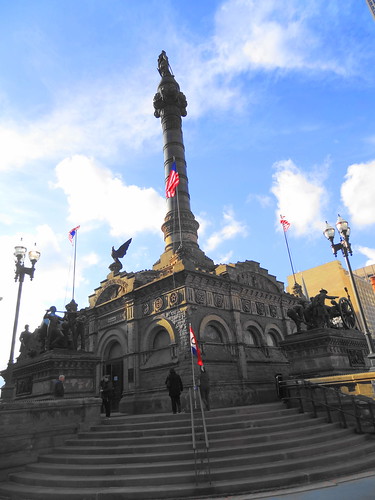
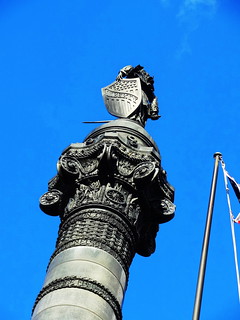
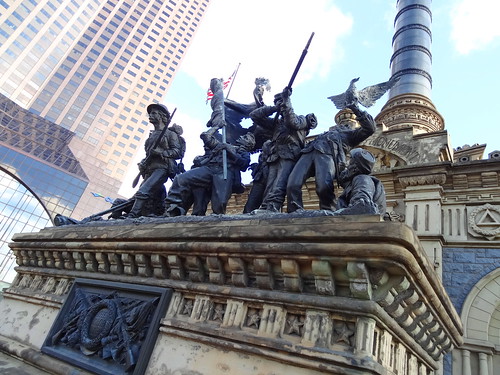
Our architecture and history tour continues with the Soldiers’ and Sailors’ Monument in Public Square. Opened on July 4, 1894 this monument commemorates the American Civil War. The grand structure is imposing, awe-inspiring; four bronze groupings on the esplande depict battle scenes of the Navy, Artillery, Infantry and Cavalry. American flags rise up from each corner of the structure, today they flutter in the breeze. A 125′ column is topped with a statue of the Goddess of Freedom, defended by the Shield of Liberty, breathtaking.

clevelander 322 (1)

clevelander 318 (1)clevelander 278 (1)

clevelander 310 (1)

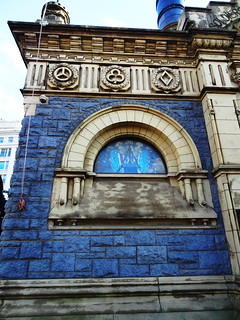
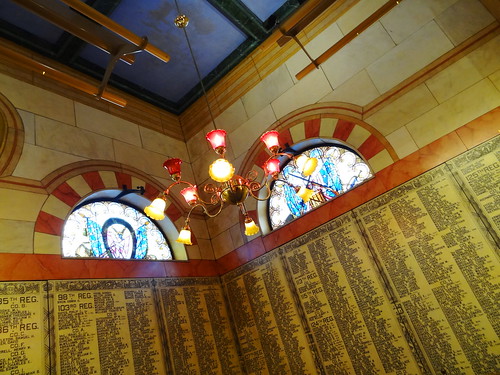
Inside the Memorial Room the names of 9,000 soldiers and sailors from Cuyahoga County OH who perished in the war cover tablet walls. Elegant stained glass windows, exquisite brass chandeliers, intricate marble floors have all been recently rehabilitated. Bronze relief sculptures honor significant moments and people, medals and personal items fill glass cases. A large column wears 6 bronze bands listing the names of 30 battles in which soldiers from this county fought, it’s all very humbling. 

clevelander 284 (1)

clevelander 299 (1)clevelander 293 (1)

clevelander 287 (1)

The day has passed quickly, over in Hingetown we stop for a bite to eat before driving home. Juke Box is one of those comfortable neighborhood joints where you can hang out with friends, grab a bite to eat, enjoy a craft beer and enjoy music from a rotating jukebox selection. It’s late afternoon so the place is quiet, the menu selection offers pierogi, sausage and kraut, the varieties of each are endless. We’re starving, so we decide quickly; you get 3 pierogi for $7 with two dipping sauces. We choose the potato, cheddar and farmers cheese pierogi with sour cream and creamy dill sauces, stellar choice. The special of the day is a sausage sandwich, ours is a beer brat topped with sauerkraut, grilled peppers and onions with spicy mustard on a crusty roll, yum! 

clevelander 360 (1)

clevelander 351 (1)

clevelander 353 (1)

It’s been a great weekend in Cleveland, we’re always discovering something new. Only three hours from Detroit, it’s one of our favorite places to go for a quick getaway. Now get out there and have some fun!

DETROIT: Woodlawn Cemetery

28 Oct

woodlawn 206 (1)

There’s a place in Detroit where city fathers, industrialists, bankers and politicians reside alongside social activists, writers and musicians–many of which changed the face of our country. A city of sorts, spread out across 140 acres of gentle rolling hills, towering trees, a body of water nicknamed Millionaires Pond; where obelisks reach toward the sky, deer and geese roam the grounds and private mausoleums house families whose names are found on street signs and buildings all over Detroit. I’m talking about Woodlawn Cemetery on Woodward between 7 and 8 Mile roads. Established in 1895, the first burial took place in 1896, to date there are over 71,000 interred here. This is one of the largest collections of private mausoleums in the country.

woodlawn 250 (1)

woodlawn 296 (1)woodlawn 072 (1)

woodlawn 074 (1)

Kris and I have always enjoyed walking through historic cemeteries; visiting Woodlawn is a bit like strolling through a local history museum that just happens to be in a beautiful park-like setting; peaceful, serene. In my opinion Autumn is the absolute best time to come, trees are painted brilliant colors, the temperature is just right for meandering. The simple entrance gives no clue to the magnificent mausoleums and gravestones contained on the grounds. Most structures are granite, designed in the Egyptian, Greek or Roman Revival styles of architecture. From the late 19th to the early 20th centuries the monument industry thrived in America.

woodlawn 244 (1)

woodlawn 036 (1)woodlawn 228 (1)

woodlawn 222 (1)

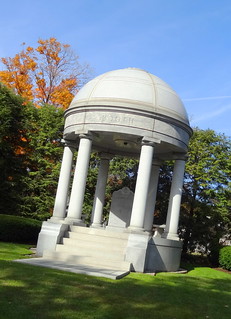
We first stop at the Greek Revival style Hecker mausoleum, resting on a  hill this is the only building on the grounds with a marble exterior; Hecker was a railroad car manufacturer, his lovely Chateau-style mansion still sits on the corner of Woodward and E Ferry. Many mausoleums have striking, elegantly detailed, bronze grill work doors, they have acquired the perfect patina over the decades. Stained glass windows are another popular feature, we go right up to the doors and peer inside, if the sun is shining just right the colors glow, lighting up the interior. The Mills mausoleum is an impressive structure, done in the French Beaux Arts style it reflects the wealth the Mills family amassed organizing Detroit Stove Works, the Banner Tobacco Company and First National Bank, he was also Mayor of Detroit in 1866 and 67.

woodlawn 194 (2)

woodlawn 019 (1)

woodlawn 269 (1)

woodlawn 217 (1)

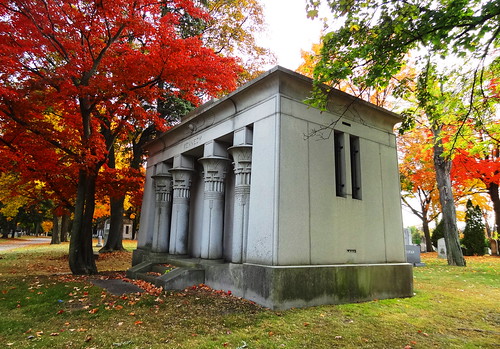
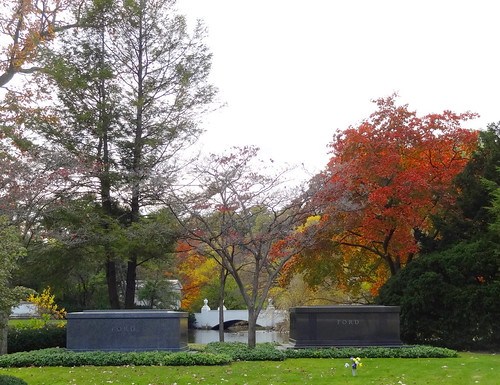
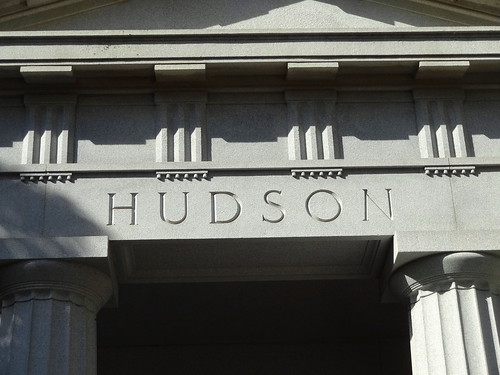
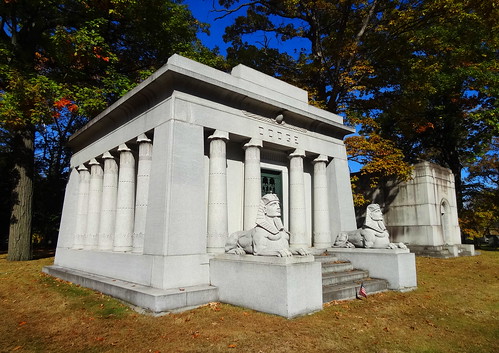
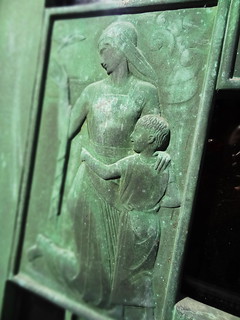
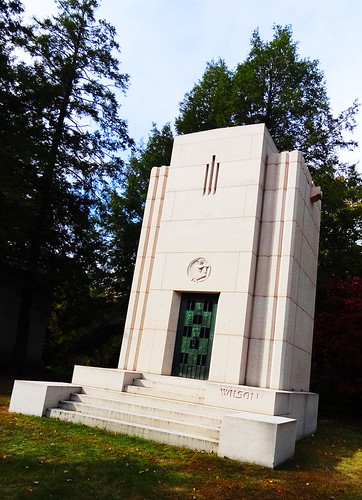
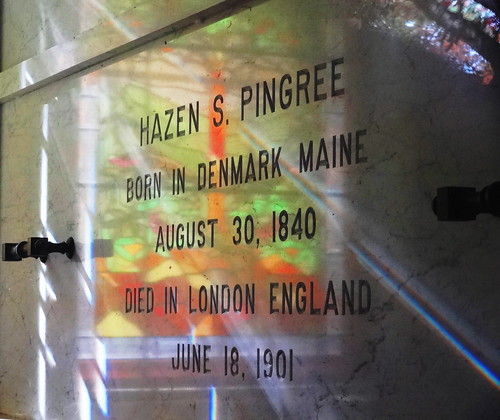
Traversing the grounds leaves crunch under our feet, geese scatter, squirrels chase one another; colorful hydrangea trees decorate the setting. Each name we read is familiar: Hudson, Booth, Grinnell, Ford, Groesbeck, Pingree. Members of the Four Tops, Miracles, Temptations, Funk Brothers, Winans and Spinners are laid to rest here along with family members of Berry Gordy, Diana Ross and Aretha Franklin. The Egyptian style Dodge mausoleum is guarded by two large sphinxes, four papyrus-topped columns flank the doorway. Brothers John and Horace died 11 months apart and are reunited here. Next door John’s wife Matilda and her second husband Alfred Wilson are laid to rest, the Art Deco style building has amazing entrance doors and a sculptural medallion done by sculptor Corrado Parducci, really take the time to look at the detail.
woodlawn 055 (1)

woodlawn 068 (1)woodlawn 066 (1)

woodlawn 237 (1)

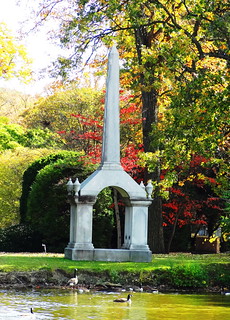
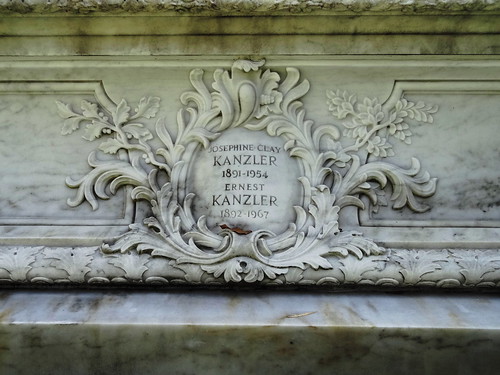
The lake is surrounded by European-style garden memorials, the most impressive belonging to the Kanzler family. The plot is 50′ by 50′, reminiscent of an 18th century French formal garden, the sarcophagus is carved from one piece of French marble, so elegant and pastoral. Kanzler worked with Henry Ford at FMC then went on to organize the Guardian Detroit Bank with Edsel Ford; his wife Josephine was the sister of Edsel’s wife Eleanor Clay, and J. L Hudson was their uncle– how’d you like to move around in those circles? Across the way a tall arch topped with an obelisk looks out onto the lake.
woodlawn 102 (2)woodlawn 093 (1)

woodlawn 110 (1)

woodlawn 246 (1)

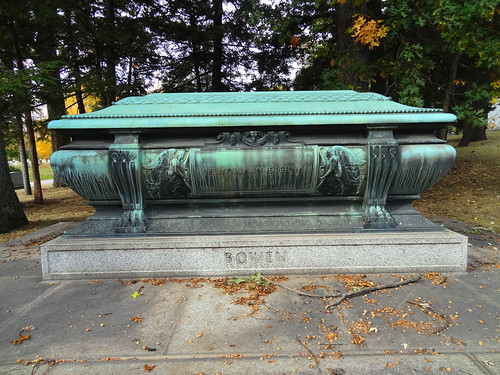
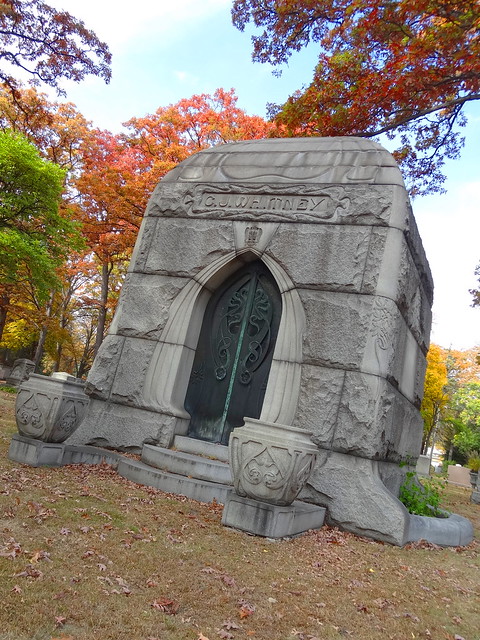
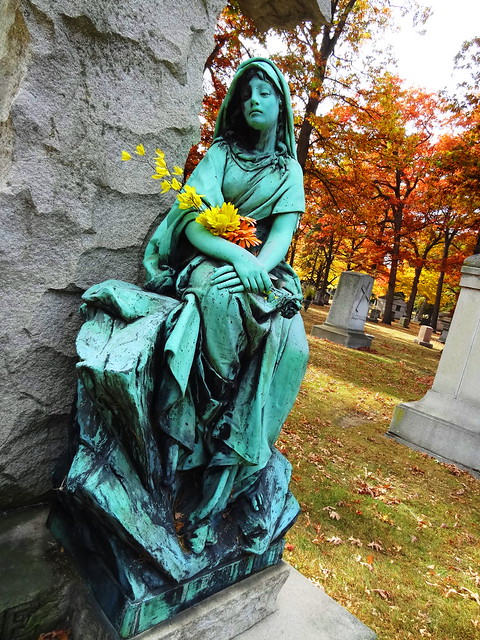
One beautiful memorial after another, they are stately, grand, reflecting the stature of the deceased; clearly I cannot talk about all of them, but here are a few more of our favorites. C. J. Whitney has a distinctly Art Nouveau design, he is credited with bringing the first motion picture projection to Michigan in 1896. James Couzens mausoleum was designed by Albert Kahn, it is one of the largest in the Detroit area and is considered to be a mini-version of the Parthenon. A bronze statue of a woman mourns for W. H. Harrison, her anguish obvious; today fresh flowers rest in her arms. The bronze Bowen gravestone resembles an Italian Renaissance sarcophagus, it has aged gloriously, dripping with patina, pilasters have claw-foot bottoms, it was designed by Paul Phillipe Cret, the architect who designed the DIA. At one time Bowen was president of Cadillac then went on to become president of D. M Ferry Seed Company, his house remains at 5435 W0odward Ave. 

woodlawn 262 (1)

woodlawn 276 (1)

woodlawn 290 (1)

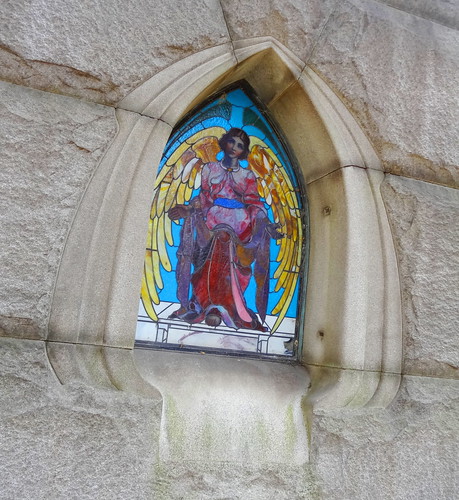
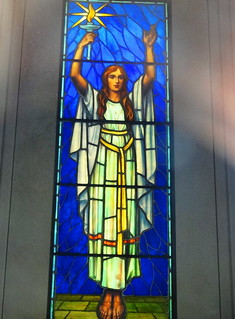
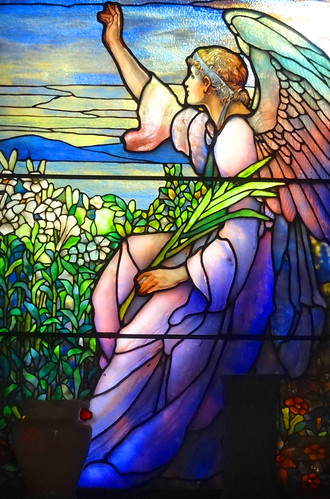
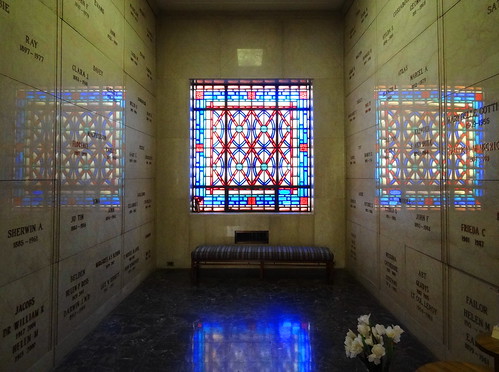
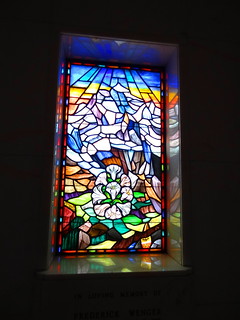
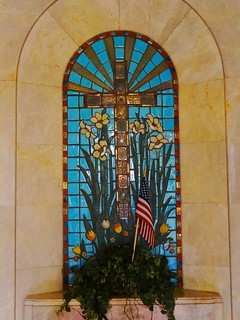
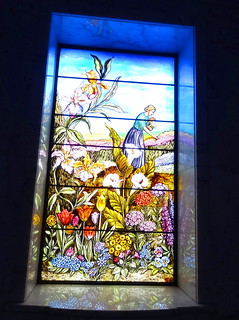
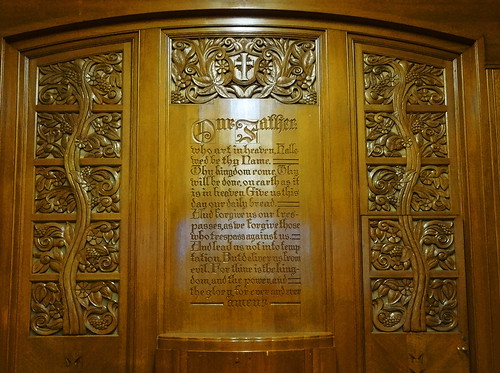
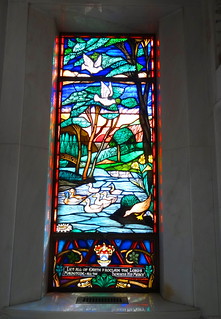
We enter the main public mausoleum, built in 1941 it has a more Modern/Art Deco look about it inside. In a series of hallways individuals are entombed in the walls, there are small rooms where families are grouped together, their name engraved above the doorway; each a symbol of the personal style of the family with a particular marble, lighting and elaborate stained glass windows. The windows are stunning! Angels, landscapes, religious scenes, colorful patterns and flowers are just some of the designs. Urns rest on marble shelves in glass-windowed cabinets, carpet covers the floors, it’s so quiet in here. In the chapel area pews, lectern and walls are the light-colored wood popular at the time; the Our Father is beautifully carved into panels.

woodlawn 116 (1)woodlawn 118 (1)

woodlawn 133 (1)

woodlawn 187 (1)woodlawn 179 (1)

Again we see more recognizable names like Whitcomb (Belle Isle Conservatory), Mel Farr, Fruehauf. We take a stairway to the second floor, at the end of the corridor Stanley S Kresge is laid to rest, stained glass windows in rich colors are religious in nature. When we are finished we proceed to the basement level, maintenance is in the process of replacing letters that have fallen off through the years. Large gravestones accompany the traditional mausoleum walls. Time has passed quickly, it has been fascinating traveling through Detroit history. 

woodlawn 169 (1)woodlawn 178 (1)

woodlawn 164 (2)

woodlawn 144 (1)woodlawn 141 (1)

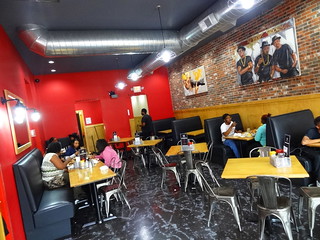
Just a short drive away is Kuzzo’s Chicken and Waffles located on Livernois between 7 Mile and Outer Drive, we arrive just after 3 pm and the place is packed!  Open for less than a year their creative menu of southern comfort food keeps people coming back. The place is very attractive inside; red walls, open ceiling, funky floors, great art, very cool.We are seated at the only open table, I look around to see what surrounding diners are eating–everything looks delicious. Our server drops off our drinks, takes our order and reminds us everything is made to order from scratch, so it takes a little time. The crowd thins out after 3:30 and our food arrives.

woodlawn 316 (1)

woodlawn 311 (1)

woodlawn 301 (1)

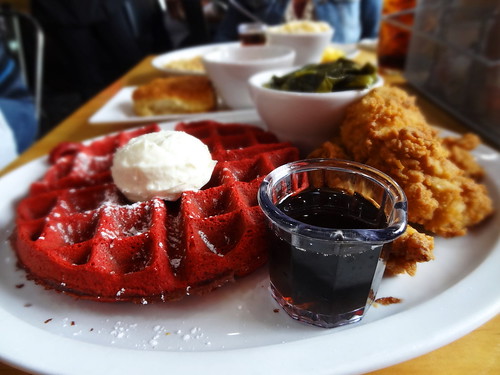
Ok, so we went a little crazy ordering, that’s what take-home boxes are for….Here goes: The Big Red is a red velvet Belgian waffle served with a scoop of cream cheese icing in the center, a side cup of bourbon maple syrup, 3 large, hand-breaded, luscious chicken tenders and a side–we are having collard greens. Every single item is outstanding, and the bourbon maple syrup, well, you’re gonna have to try it for yourself! Biscuits and Gravy are the ultimate comfort food, we got 2 buttery, crispy on the outside-flaky on the inside biscuits and a bowl of chicken gravy, over-the-top good! Then there’s the LALA, it comes with a waffle, this one has tiny little squares that really hold onto the melted butter and syrup, 2 eggs, ours are scrambled and a cup of cheese grits, yum! I can see why the restaurant is so popular.

DETROIT: Art Attack !!??

14 Oct

graffffffiti 030 (1)

These days much of the news coming out of Detroit is positive; new businesses are opening, people are moving into the city, a new hockey arena is being built, neighborhoods are being revitalized, urban farming is a real thing. Midtown and Corktown are often the center of attention. To me Eastern Market is the heart of Detroit, it’s the place people gather to buy their food, pumpkins, their Christmas tree. Folks meet up for breakfast, lunch or dinner, eat at communal tables, have a coffee, a cocktail, view amazing art; it’s the place everyone feels welcome. Recently Eastern Market Corporation, 1xRun and Inner State Gallery invited 45 local and international artists to create large-scale murals all over the district for a 9 day event called Murals In The Market.

graffffffiti 013 (1)

graffffffiti 040 (1)graffffffiti 009 (1)

graffffffiti 037 (1)

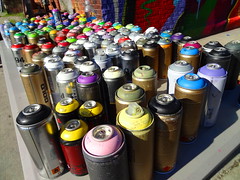
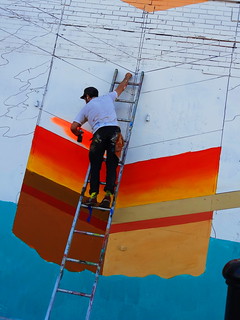
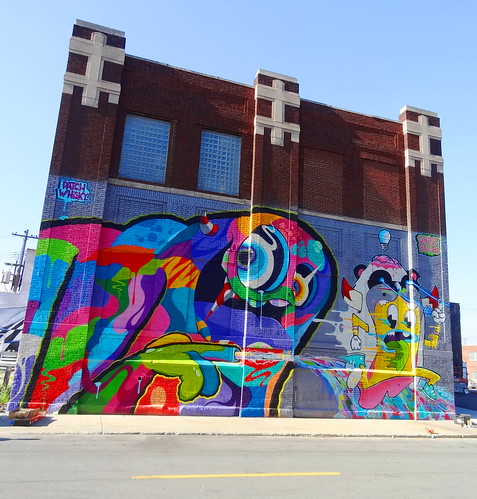
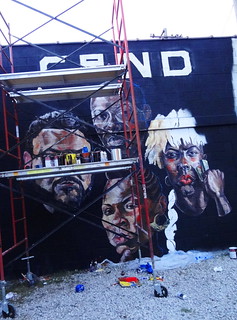
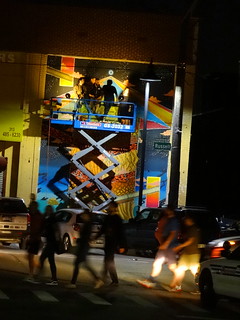
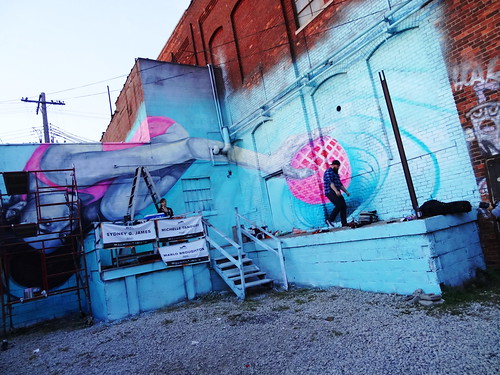
The artists have arrived in Detroit, painting has begun; spectators are welcome. Designated walls are a blank canvas of black or white. Electric scissor lifts have taken over the streets as artists drive them to their specified locations. Walking from one block to the next we see the beginnings of murals taking shape, details are sketched in black spray painted lines, artists are perched precariously on ladders. Curious onlookers include local workers, amateur photographers, and random passersby. At Orleans and Adelaide Patch Whisky and Ghost Beard are nearly finished with their mural, Whisky’s signature character is chasing Beard’s monster on a multi-hued wall. Dozens of aerosol paint cans represent every color of the rainbow–and then some, gallon cans, rollers and paint trays lay on the ground. It’s just the beginning.
artmarket 005 (2)

artmarket 018 (1)artmarket 133 (1)

artmarket 020 (1)

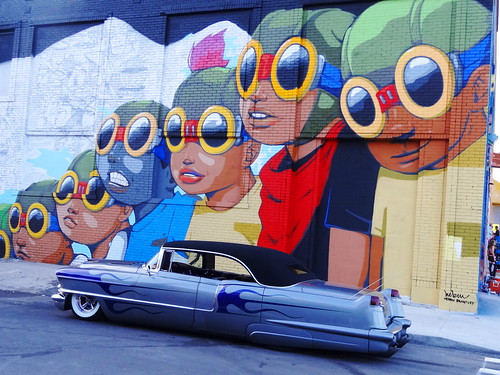
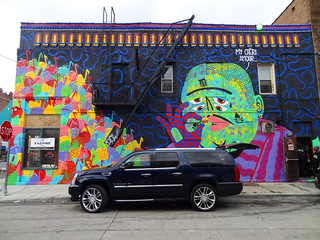
Six days later we’re back in the market, this time for Eastern Market After Dark, part of the 4th Annual Detroit Design Festival. A night of open houses at creative venues in the district, it’s one of our favorite events of the year. In addition to the festivities, we’re checking out the murals. We start the evening with a Chili Mexican from Germack, just outside, at the corner of Russell and Adelaide Hebru Brantley has finished his mural, a super-cool flamed and lowered Caddy is parked in front. Images of a youthful super hero in goggles cover the wall; soon models sidle up to the wall as a photographer shoots photos. In Shed 2 we pass through the Jeep display and couches wearing extravagant paint jobs on our way back to the streets, the sun is already lower in the sky.

artmarket 028 (1)

artmarket 029 (1)

artmarket 041 (1)

artmarket 035 (2)

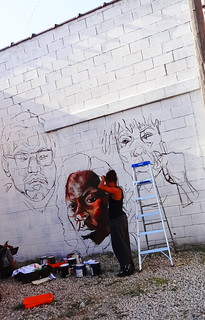
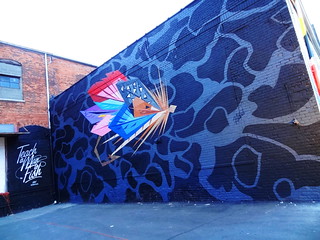
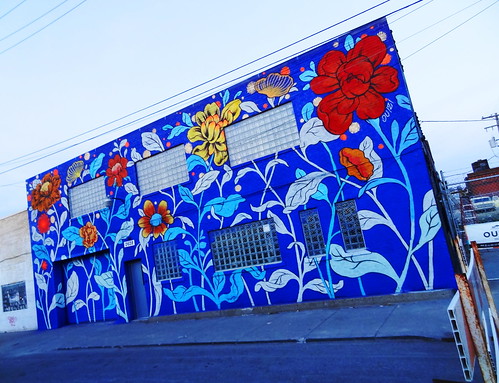
Naturel has finished a piece titled “Teach A Man To Fish”, a colorful ‘fly’ hovers on a textured wall, Denial’s comic-book-style art fills an entire wall with bold colors. “Nothing Stops Detroit” literally stops Kris in his tracks–he recognizes the vehicle in the painting as a Dodge Deora, he points out the fact the actual vehicle was customized by Detroit’s own Alexander Brothers back in the day, I like the way the letters resemble neon, oh and the car too… Ouizi has turned a building on Orleans into a flower garden, I love it! Further on a pair of faces are still in progress, artists have gone home for the day.

artmarket 037 (1)

artmarket 060 (1)artmarket 121 (1)

artmarket 048 (1)

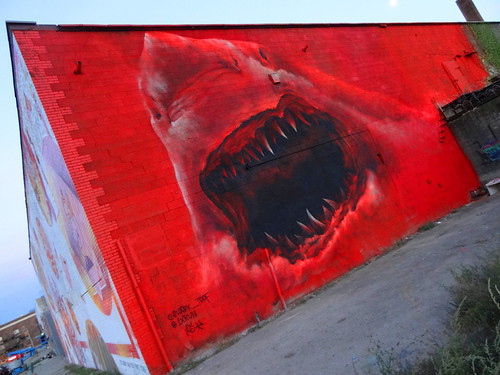
We have wandered as far as the new section of the Dequindre Cut; pavement has been laid, light posts illuminate freshly planted trees. Bridges crossing the Cut are newly paved and open to traffic. Construction equipment is quiet for the night, water towers and old industrial buildings complete the landscape. The mural project has expanded the footprint of the market, drawing people further into the district; good things are happening here. Up the street a huge Great White shark emerges from a sea of red, mouth agape, rows of teeth are frightening; this is Los Angeles artist Shark Toof’s second shark mural in the market. Around the corner the scene is more mellow, colorful shapes and designs somehow remind me of biology. The sun has set, the crowds grow thicker, Ren Cen glows in the distance. Artists continue their work aided by flood lights.

artmarket 002 (1)

artmarket 004 (1)artmarket 053 (1)

artmarket 074 (1)

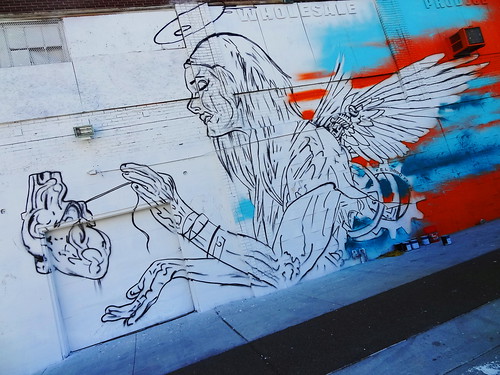
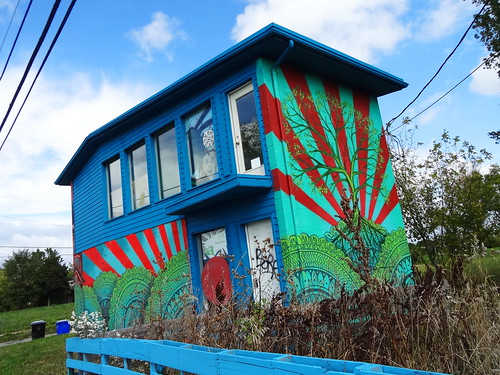
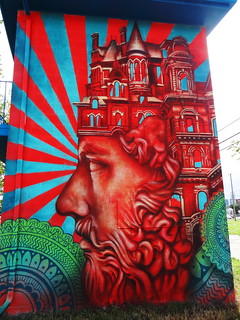
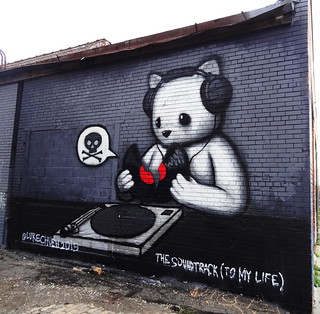
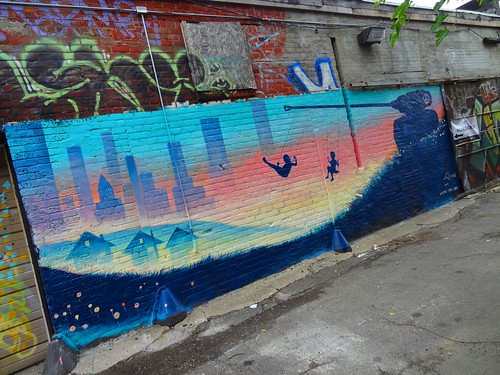
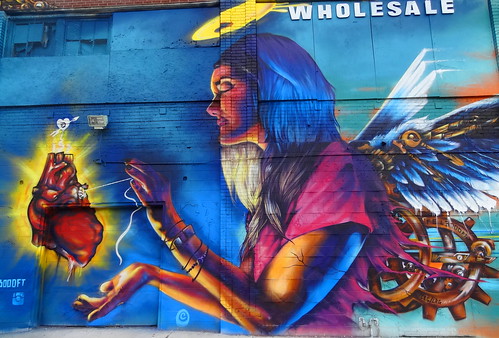
A week has gone by, we’re back in the market to see the completed murals. A two-story house in blue stands alone in an open field, pretty patterns cover the exterior walls, around the corner, an unexpected image of a Victorian home, a man’s profile, lovely. We take in scene after scene, people with cameras are everywhere, another photo shoot is taking place, this time in front of Ouizi’s flower wall. There are shapes, portraits, landscapes and designs, characters like the striking image of the woman in the black-fringed hat. Murals reflect Detroit, Eastern Market–check out the corner of Riopelle and Winder. A Panda DJ gets our attention, further down the alley Ron Zakrin has created a scene in which children play on swings hanging from an abandoned tank, a peace sign painted prominently on the side, a field of flowers grows nearby, the caption: “Maybe one day”. Street by street we view the murals; we stand in awe, get lost in our thoughts, smile, laugh and become mesmerized by the beauty, creativity and thoughtfulness of the pieces. Art stirs emotions.  Back on Russell Street. Fel3000ft has completed his angel of Detroit, she gently mends the heart of the city, indeed, we are a city on the mend.

artmarket 067 (1)

artmarket 084 (1)

artmarket 063 (1)

artmarket 091 (1)

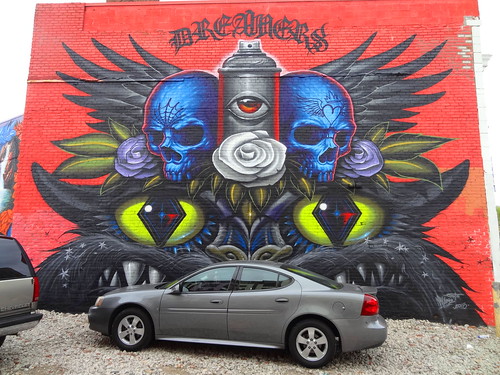
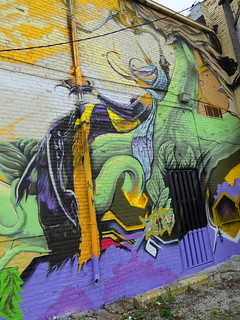
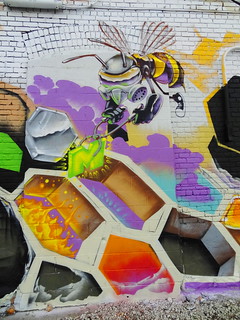
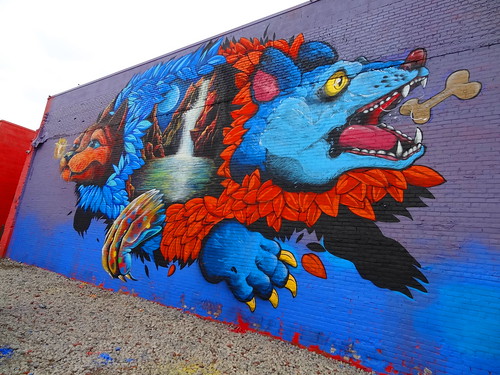
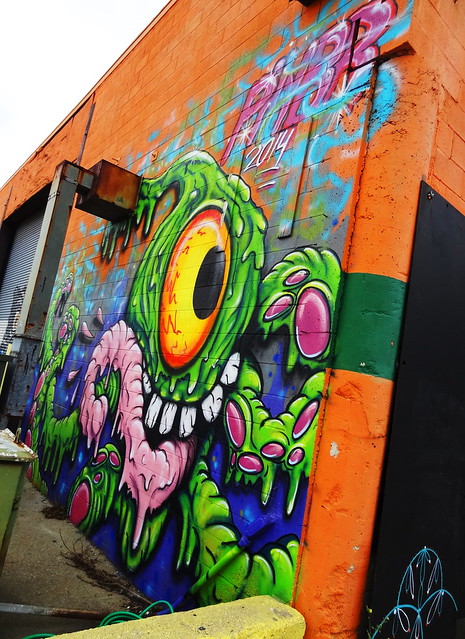
 Just a little bit of ground left to cover over on Gratiot. Jeff Soto and Maxx242 have filled a wall with surreal roses surrounding skulls, a spray can in the center, resting on a beast–I recognize the eye from the first day we were here, it was the only section completed. A pair of canines are split by a waterfall, industrious bees build a honeycomb; you have to work a little harder here to see everything, but it’s worth the walk. Detroit is quickly becoming an exciting, vibrant center for street art, attracting artists and visitors alike from near and far. Come see it for yourself!

artmarket 131 (1)

artmarket 136 (1)artmarket 119 (1)

artmarket 124 (1)


ROMEO: Hay There….

30 Sep

romeo 182 (1)

We are in the Village of Romeo, the Romeo Historical Society is sponsoring a Barn Tour today; this years theme: What Can You Do With A Barn? Let’s see……….

romeo 001 (1)

romeo 031 (1)

romeo 029 (1)

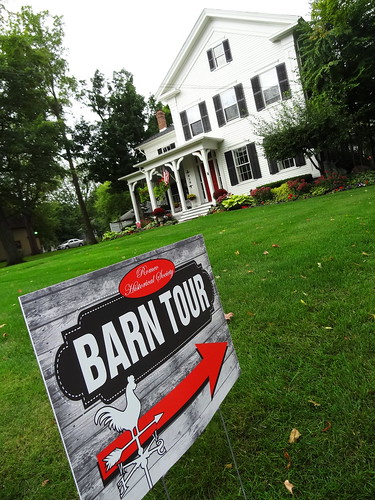
We purchase our tickets at the Archives building on Main Street, there are 7 sites on the tour, barns were constructed between 1840-1940. Locations range from Romeo to Bruce and Washington Townships, it’s self-guided so we grab our map and go. The first barn is just a few blocks down Main Street, the red arrow on the Barn Tour sign guides us to a charming, white, Greek Revival home, the lawn a lush green carpet, Mums and Sedum steal the show in the landscape. A long driveway leads us to a blue-painted barn, open doors invite us inside. As people mill about we take the narrow stairs to the second floor, here we can see the way the barn was constructed; the home and barn are built of Cedar that was milled right on the premises. Pumpkins and assorted gourds sit atop bales of hay, Autumn has arrived.

romeo 012 (1)

romeo 015 (1)

romeo 024 (1) - Copyromeo 017 (1)

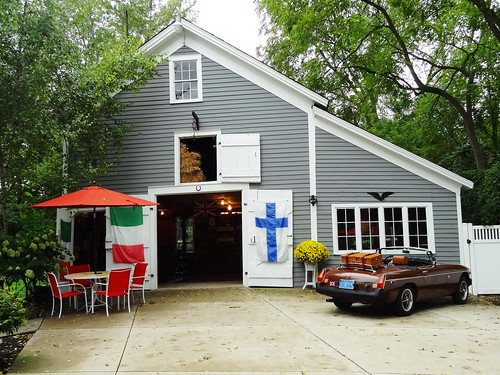
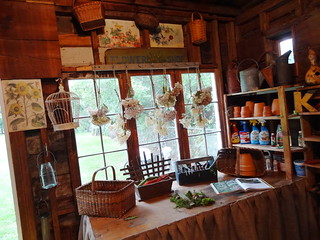
Downstairs the main part of the barn is used as a workshop and storage space for the owner’s vintage automobile; tool boxes, antique lanterns and other old pieces decorate the space, back in the mid 1800’s this is where the family kept the carriage and through a doorway is where the horses stayed. In this space is  a section for garden supplies; Hydrangea hang upside-down to dry out. Wood-working and automotive tools are found throughout the small room, sunlight sneaks in through tiny windows. 

romeo 033 (1)

romeo 070 (1)

romeo 075

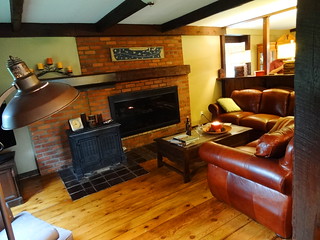
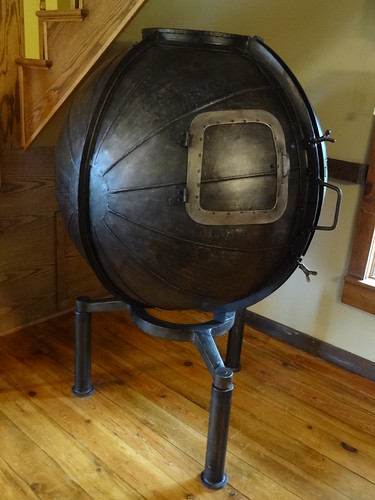
We drive out to the furthest point on the tour, the drive takes us past beautiful farmland, homesteads, vegetable stands and pastures. There are 2 barns on this stop, the first was converted into the family home back in the 40’s, we leave our shoes on the front porch and step inside. The abundance of wood, exposed hand-hewn beams and brick fireplace give the home a cozy feel; a large, round object is attracting lots of attention. A woman stands beside it asking people to guess what it is, everyone is at a loss; she gives in and tells us it was a light bulb tester, then she opens it up to reveal its current use: a super-cool bar! The home is filled with lovely vintage items spreading the owner’s personality throughout. And then there’s the barn…..

romeo 062 (1)

romeo 041 (2)

romeo 060 (1)

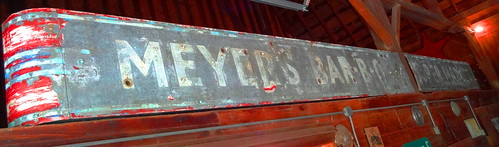
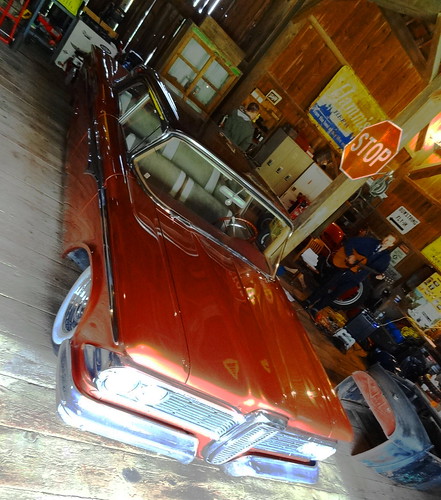
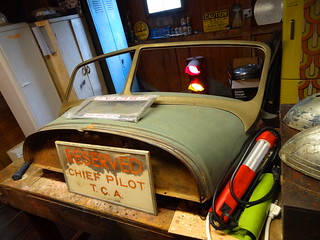
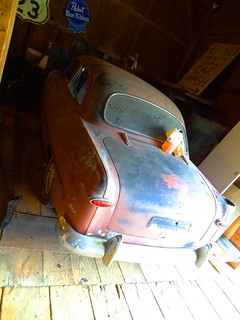
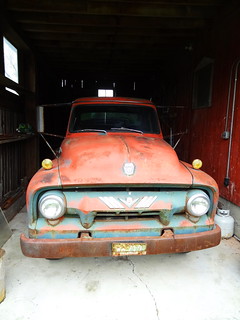
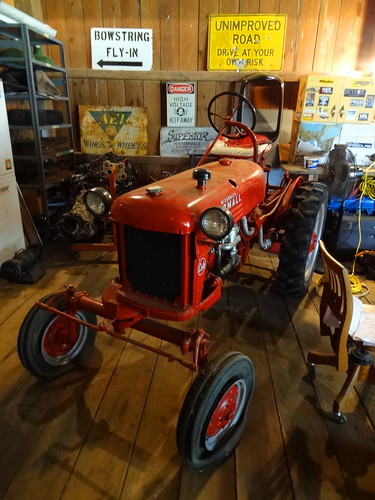
Music drifts out from the large, open barn, off to one side a gentleman plays guitar and sings for today’s visitors. Smack dab in the center is a customized Edsel, it’s gorgeous–didn’t I just see this car on the cover of DDEAF magazine? The space has been completely opened up from floor to ceiling, rusted and tattered vintage signs adorn the walls, I think the Meyer’s Bar-B-Q sign in the loft is my favorite. An old Ford is parked in a corner, an antique tractor, engines and drive trains occupy floor space; it reminds us of the American Pickers place in Nashville. On the way out we take a peek at an old pick-up parked in its own private slot, sweet.

romeo 046 (1)romeo 035 (1) - Copy

romeo 049 (1)

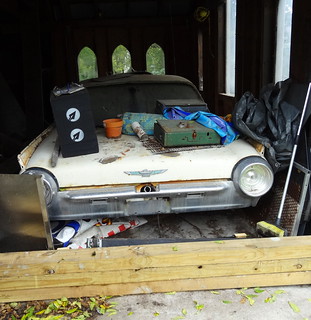
Across the road is a complex of old barns redesigned into fantasy buildings; not what we expected to see out here. Each one has a unique design; window frames are unusual as are roof-lines and facades. We begin at the back of the property, the largest of the buildings, it’s easy to make out the original structure; pointed peaks give way to arched entrances, it almost looks forgotten. Inside a shiny red Chevelle awaits its next outing, cars and trucks in varying condition are tucked in here and there. A huge workshop looks as if it holds the right tool for any job. We roam from building to building, an early 60’s T-bird looks as if it hasn’t moved in ages.

romeo 119 (1)

romeo 104 (1)

romeo 098 (1)

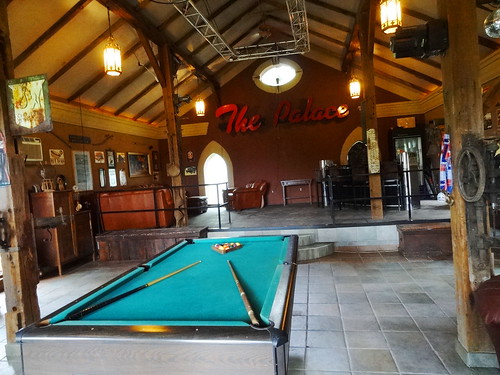
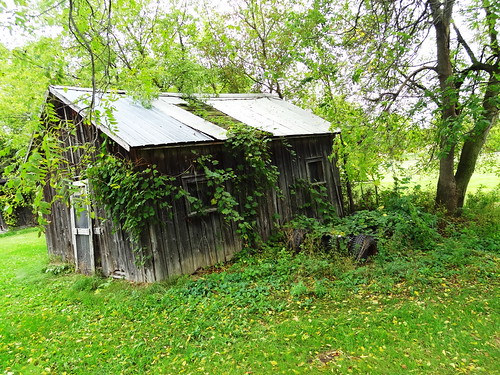
We enter a rust-colored building with Gothic-style windows and find ourselves in a large entertainment space; on the slate-tiled floor a billiard table looks ready for a game, a disco ball mingles with antique light fixtures, up a step, a bar sits empty, wood beams and posts the only reminder of the building’s origin. Interesting faces are carved into trees, ivy has begun to claim an old tin-roofed wooden shed.

romeo 110 (1)

romeo 088 (1)

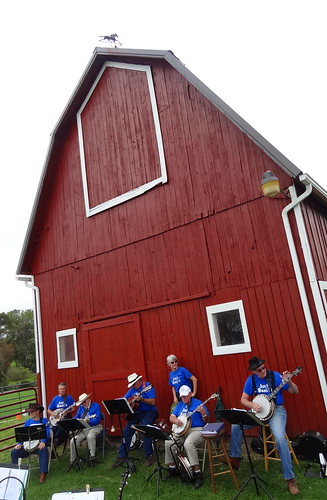
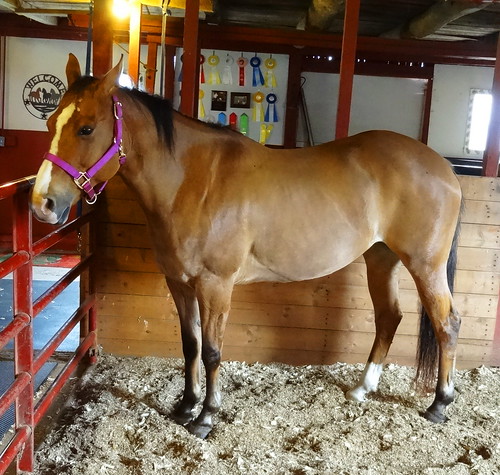
We arrive at a traditional red with white-trim barn on Fisher Rd, a group of banjo players are gathered near the barn entertaining tour-goers. We stop to listen to the group play, it’s the perfect complement to the setting. Inside, the barn houses 2 show horses, ribbons are proudly displayed on the wall, horses are in their stall; they seem happy for the attention. I wait my turn, petting each of them, they’re beautiful animals.

romeo 121 (1)

romeo 131 (1)

romeo 128 (1)

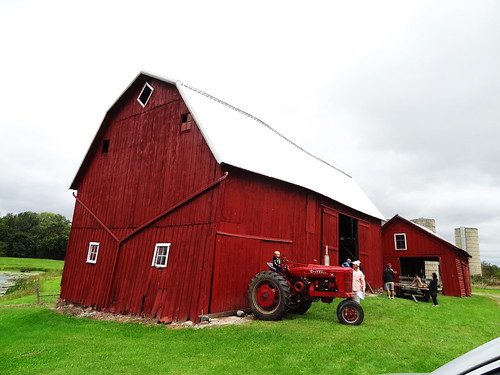
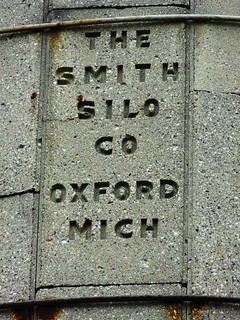
The next stop was once the old Brabb Family Farm circa 1860, a number of the structures remain, though not in usable condition. A bright red Farmall tractor is parked in front of the largest barn, behind the steering wheel a blonde-haired boy poses for pictures. On the backside we have a look under the barn, Swallow’s nests made of mud cling to the walls. Silos are roofless, stamped into the concrete is “Smith Silo Co. Oxford Mich”, love that kind of stuff! In the smaller barn burlap bags are displayed, companies located in Detroit, Battle Creek and Utica are represented, old photos are on exhibit,the corn crib is to the right, old pitch forks, crates and wire baskets are at rest. The land here is magnificent, green and rolling, surrounded by woods.

romeo 140 (1)

romeo 158 (1)romeo 151 (1)

romeo 154 (1)

Our last stop is the Jack Frost Auto Museum on Campground Road. We’re told Jack A Frost was an electrical supplier and manufacturer in the early 20th century. He produced lighting and power accessories for the automotive and motion picture industries; his friends included Henry Ford and Thomas Edison. After WWI he built his home and orchard on 70 acres here in Washington Twp, and by the way, he loved automobiles. The current owner shares that same love of cars, he runs a full service auto sales, restoration and repair shop on the premises.

romeo 188 (1)

romeo 195 (1)

romeo 194 (1)

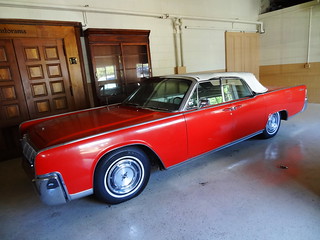
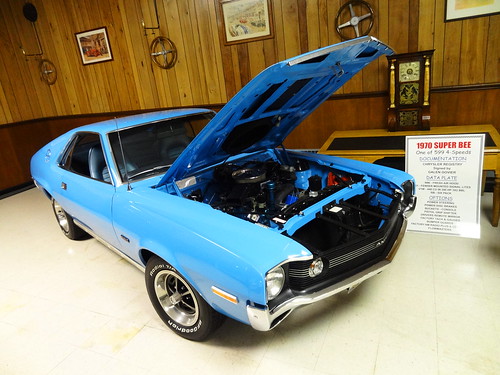
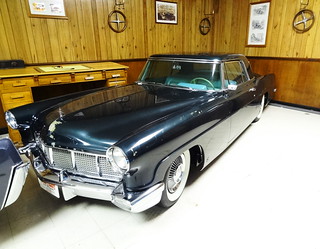
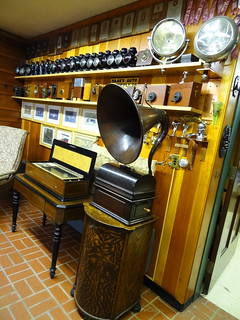
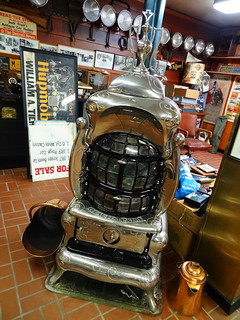
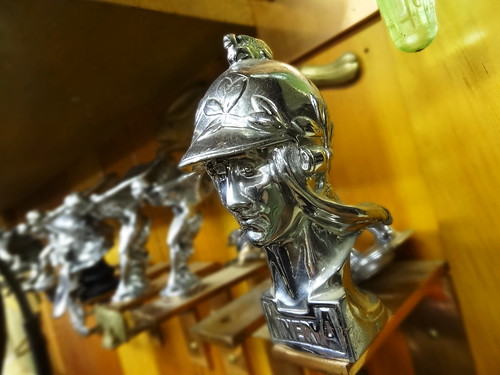
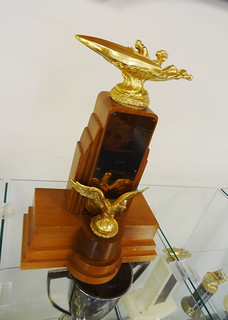
We enter the first brick building and are greeted by a red Lincoln with a white convertible top, wandering to the next room we are face to face with a variety of vehicles; a couple of old Lincoln Continentals, a Jeep Grand Wagoneer, a Javelin in the restoration process and an eye-catching 1970 AMX in Big Bad Blue. The room is a mix of fluorescent lighting, old chandelier and ancient looking sconces. Making our way to the next area we pass an antique Buick in yellow and black still wearing wood-spoke wheels. The next area is a collage of items; big round headlights, advertisements, machinery, a silver antique Peninsular heating stove and in a showcase ribbons, trophy’s and awards belonging to Mr. Frost. A Victorian music box is wound up and playing for us as we continue to peruse the collection of hood ornaments, lanterns and photographs. Walking up the driveway we check out the old stone barn that was converted into the caretakers house.

romeo 211 (1)romeo 205 (1)

romeo 213 (1)

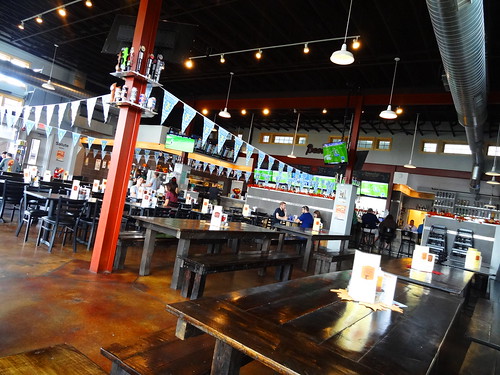
We are having lunch at Brown Iron Brewhouse on Van Dyke in Washington Twp, an American craft brewhouse serving up beer and ciders from coast to coast; they have 60 taps in addition to wine and craft spirits. Food is new American smokehouse style. The main dining hall is huge, the open ceiling and concrete floors give the space an industrial feel, sturdy wood tables and benches encourage community dining. There is a special Oktoberfest section on the menu today. First out are the Crispy Cheese Curds, they are delicious! Beer battered, they are light and crispy, they go perfectly with the house made buttermilk ranch. The Beast Mode Burger is beef brisket fresh-ground in-house, topped with smoked corned beef, applewood smoked bacon, beer cheese and a fried egg, it’s quite a (tasty) mouthful! Served with brewhouse fries, it’s enough for two to share. Time to head home; we’ve had a wonderful, surprise-filled day in the country.

romeo 224 (1)

romeo 228 (1)romeo 231 (1)

Along The St. Clair…..

22 Sep

boats 063 (1)

We are driving up M-29 to the city of Algonac, the water speed capital of the nation. You may not know this but Algonac is the birthplace of America’s supremacy in powerboat racing. The city played a leading role in shipbuilding;  from sailing cargo ships to large pleasure-craft, racing boats and landing craft, including the craft used in the Normandy landing. This is where Chris-Craft was born; in 1927 Chris-Craft was recognized as the world’s largest builder of mahogany-constructed power boats. Between 1921-1932 Christopher Smith (Chris-Craft) and Garfield Wood built 10 Miss America’s in Algonac. Gar Wood established the world water speed record of 124.91 miles per hour in 1932 in the Miss America X.

boats 004 (1)

boats 016 (1)boats 040 (1)

boats 038 (1)

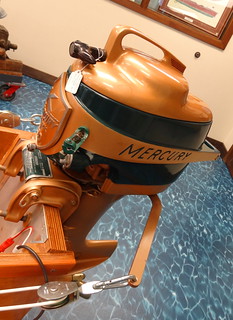
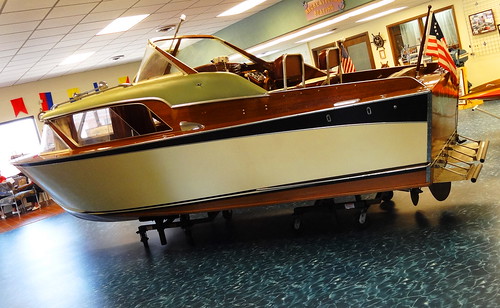
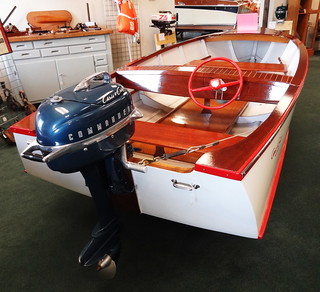
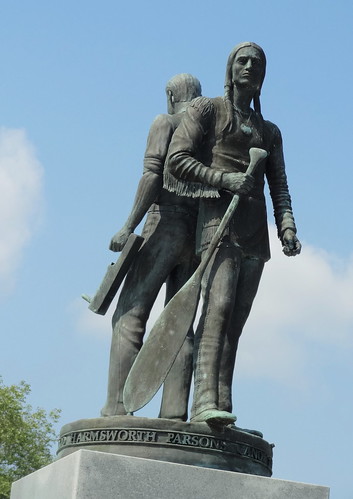
Just last summer the Algonac-Clay Historical Society opened a Maritime Museum right on St Clair River Drive in a building donated by Fifth-Third Bank, let’s have a look. The 8,300 sq ft space is loaded with nautically themed displays; several boats are set atop water-like flooring, easels display photos, brochures and newspaper clippings, walls are covered in framed boat designs, photographs and flags. Placards tell the stories of the boats; Winning Ticket was won in a local raffle in 1949–check out the vintage Vernor’s cooler. The Aqua Lady is a cool 19 ft Sports Express Cruiser made by Chris-Craft in 1958 as a kit boat. The inside looks surprisingly roomy; a 2-burner stove, storage and banquettes surrounding a table, pretty cozy! Last Gar is a gorgeous wooden boat with an interesting tale to go with it. Outboard motors, racing boats and a showcase filled with trophies are at our disposal, I learned that Gar Wood won the coveted Harmsworth Trophy 8 times.

boats 031 (1)

boats 030 (1)

boats 008 (1)

boats 043 (1)

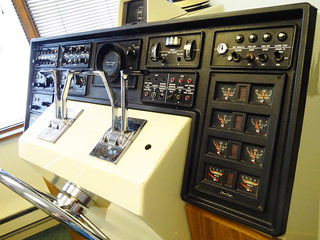
On display is a boat dashboard; covered in gauges, shifters, controls and a steering wheel, visitors take a turns being captain. Further on we find another Chris-Craft Kit Boat, this one built by the Algonac High School shop class, next to it is a boat from 1909, both look brand new! There are model ships, a workbench with tools, more literature and facts on Chris-Craft manufacturing. Engines and replacement parts give us insight on what we cannot see ordinarily, it’s fascinating to be able to see the boats up close, there’s so much detail.

boats 056 (1)

boats 078 (1)

boats 082 (1)

boats 068 (1)

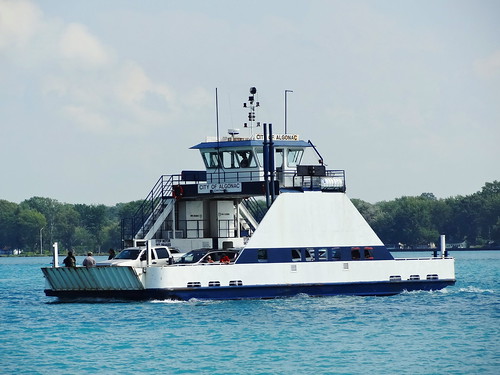
Outside, we make our way to the riverfront, the 1800 ft long boardwalk offers benches that overlook the lovely blue water. We sit and watch as the City of Algonac ferry transports cars across the St. Clair River to Canada and Walpole Island; pleasure boats zip across the water under the afternoon sun. Time to head north. Back on M-29 we pass the house that Gar Wood once lived in; I like being able to connect the past to the present.

boats 180 (1)

boats 186 (1)

boats 171 (1)

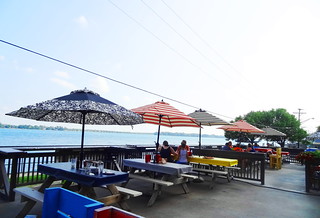
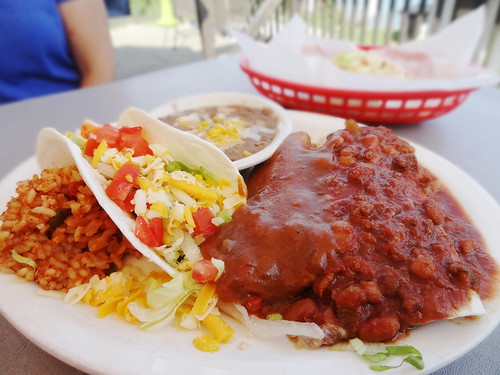
We are having lunch waterside at Anita’s Riverfront Grille in Marine City. The patio is host to picnic tables with umbrellas that hug a view of the river, colorful flowers and vines topple over the sides of planters, live music is provided by a singer playing guitar. We sip on cold drinks as freighters float downriver, swimsuit-clad boaters skip over the water’s surface in speedboats, smaller boats take a more casual approach, checking out the shoreline as they pass. Our Combo Platter arrives, we waste no time digging in. The wet burrito has a chunky sauce with beans, very tasty, The chicken enchilada and soft taco disappear quickly as does the rice and beans. 

boats 207 (1)

boats 093 (1)

boats 091 (1)boats 092 (1)

boats 099 (1)

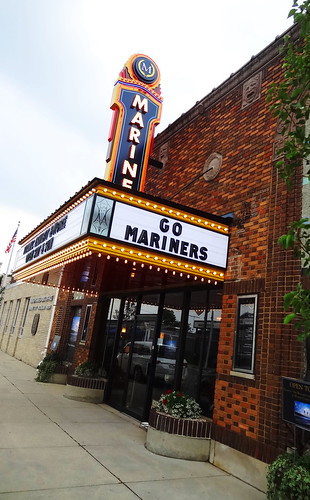
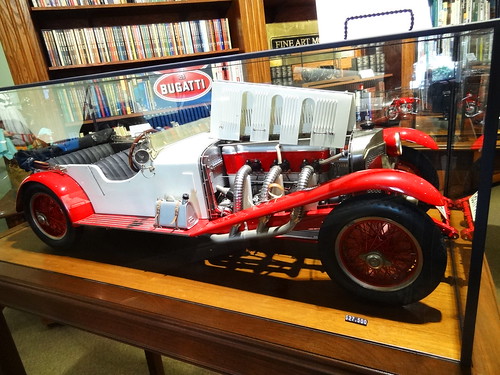
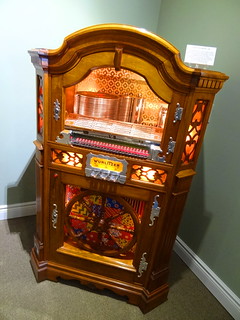
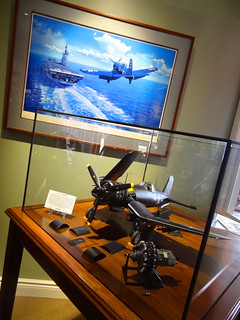
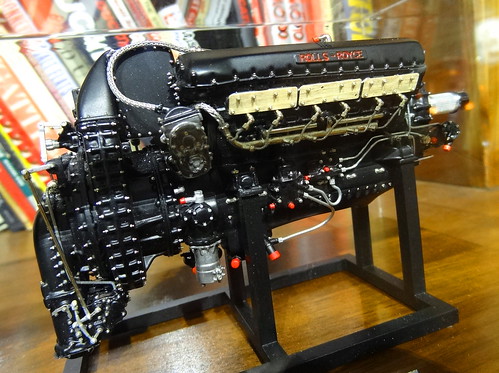
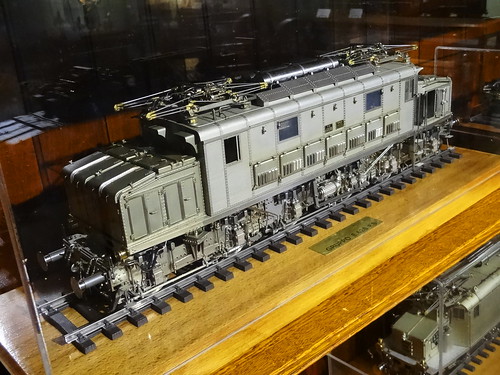
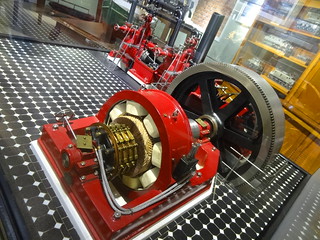
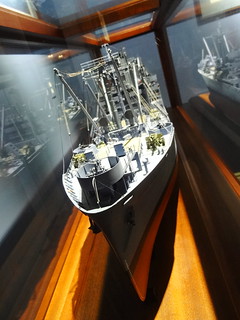
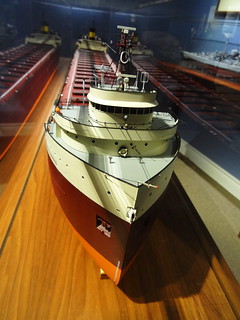
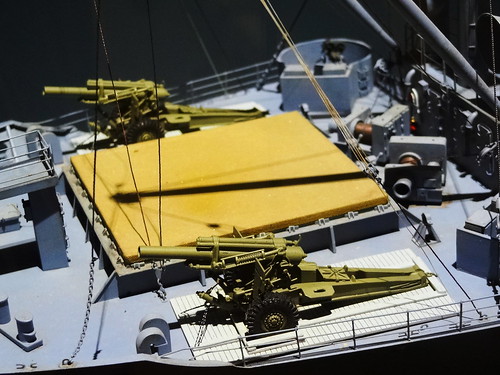
Today we are visiting the Mariner, a former movie palace built in 1927. The current owner completely restored the building which is now home to the RMS Titanic exhibit and multi-use venue that houses fine models, historical items, antiques and art. A new period marquee welcomes visitors, a 1917 popcorn machine and peanut roaster reside in the lobby area, 46 original 1930’s style mohair theater seats have been installed along with antique light fixtures. The place is pretty amazing. We begin our visit in the galleries; each one displays the finest quality models of automobiles, ships, aircraft and locomotives, the detail is unbelievable. America-themed posters hang on the walls, shelves are lined with books, there’s a jukebox, a transparent clock tower with a bell and a cuckoo clock. Case to case we study miniature war ships, farm equipment, engines and machinery, all are available for purchase. 

boats 106 (1)

boats 101 (1)

boats 116 (1)boats 124 (1)

boats 118 (1)

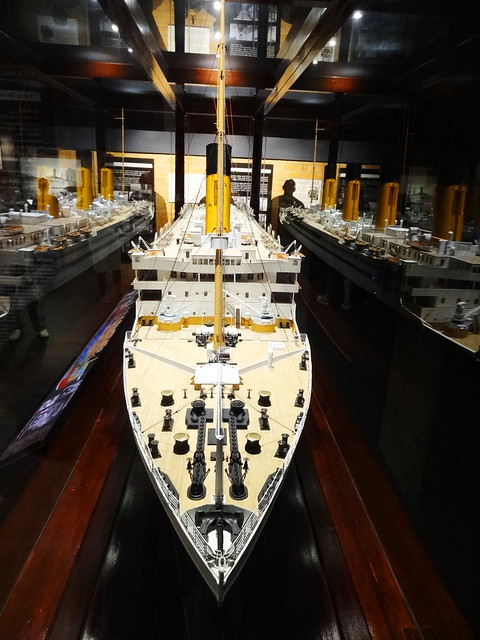
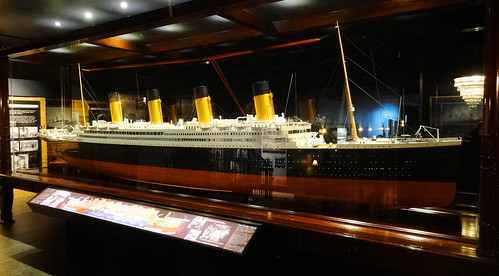
The main attraction, of course, is the exhibit: Titanic – The Building Of An Icon. First a quick review: The Titanic was built at the Harland and Wolff shipyard in Belfast, it was the largest passenger steamship in the world at the time. On April 14, 1912 the Titanic struck an iceberg, broke into 2 pieces and sank in 2 hours and 40 minutes. In 1995 the builders of the Titanic approached Fine Art Models (of Marine City) to build the “builders model” of the Titanic. “One very important fact surrounding this model is that by agreement with Harland and Wolff, this model would never be displayed with the artifacts brought up from the Titanic gravesite. Furthermore, the exhibit of this model would never be seen as an effort to profit from this tragic event.” The model has traveled to museums and charitable events across the United States, raising over $5 million to date for non-profits and charitable organizations.

boats 139 (1)

boats 135 (1)

boats 153 (2)

boats 145 (1)

The 18 ft, 1500 lb Titanic model is housed in a glass case, it is the centerpiece of the gallery. We walk around looking at actual photos of the interior and exterior of the ship, reading placards, getting our fill of information before really examining the ship. Completed in 2002, it took 7 years to build the model; artisans worked directly with the original builders, using original drawings. The decking is real wood, so is the deck furniture, the entire superstructure is constructed of brass, 3,376,000 rivets (yes, that’s 3 MILLION) are all placed in their correct location, it boggles the mind. Looking at the model it’s easy to imagine the excitement the passengers must have felt boarding this remarkable vessel, I can almost picture well-dressed couples, strolling arm-in-arm on deck. The story of the Titanic has captured the attention of people all over the world for decades, what an incredible opportunity this is to see the legendary ship (in miniature, of course) up close, to take it in, knowing its ultimate fate.

DETROIT: Recycled

16 Sep

lincoln 190 (1)

Beauty can be found everywhere. From the most obvious places like Detroit’s riverfront and Belle Isle to the less conspicuous alley or neighborhood garden. Today we are visiting places off the beaten path, the nooks and crannies of the city. Lincoln Street Art Park and Sculpture Garden is just a short distance from New Center; murals, sculptures, a fire pit and gardens all reside in the shadow of the iconic Fisher Building. We park on the side of Lincoln St, walk over to the low-cut lawn and have a look. 

lincoln 105 (1)

lincoln 091 (1)lincoln 086 (1)

lincoln 045 (2)

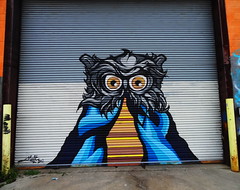
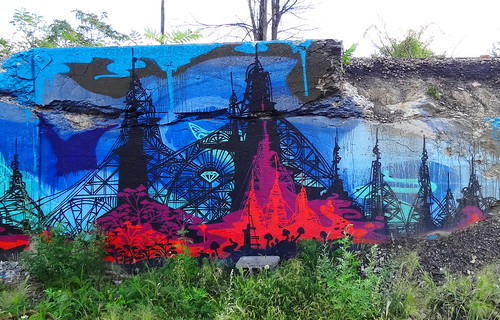
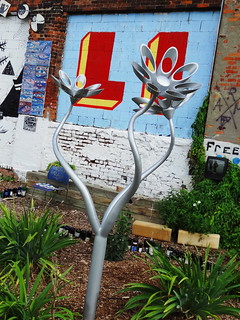
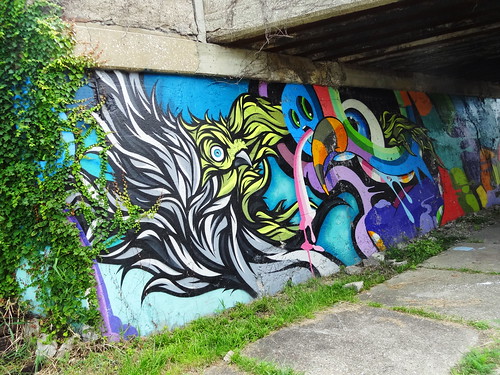
With curiosity as our compass we walk through the park, on the backside of an old industrial building, boarded up windows are decorated with murals, Lincoln is spelled out over several. Graffiti, street art and elaborate scenes cover concrete surfaces, we recognize certain artists work from other places in the city; the owl is one of my favorites. Over to the left a field of painted poppies covers a wall. In a mulched garden daylilies are out of bloom but lovely metal-sculpture flowers bloom year-round.

lincoln 046 (1)

lincoln 076 (1)lincoln 065 (1)

lincoln 074 (1)

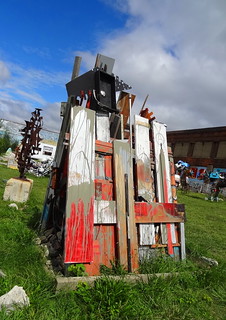
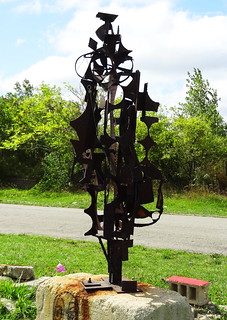
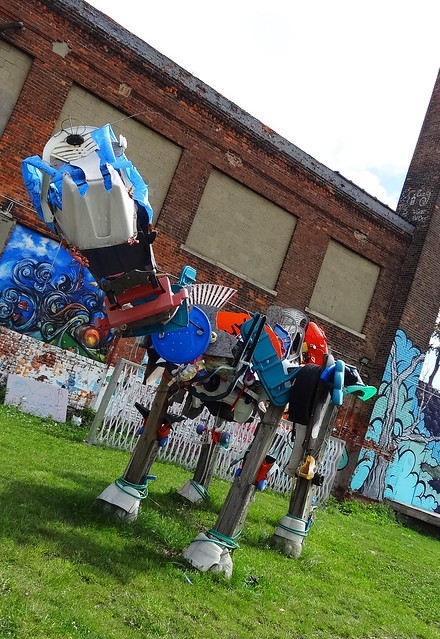
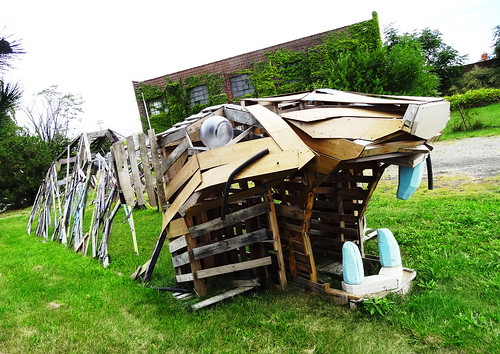
The dinosaur sculpture is imposing; a closer look reveals chairs, a cart, step stool and a bevy of salvaged materials used in the construction, he’s huge and seems to patrol the park, keeping watch. It’s like visiting an art gallery, we wander from piece to piece, me going one way, Kris the other; each fascinated by what we see. A rusty metal sculpture reminds me of a rainbow, Kris admires the vintage steering wheel. Discarded items are put together in unusual and pleasing ways, the gypsy with wings, the combination of fluted sheets of plastic and metal rods, old pieces of wood. 

lincoln 099 (1)

lincoln 102 (1)lincoln 135 (1)

lincoln 108 (1)

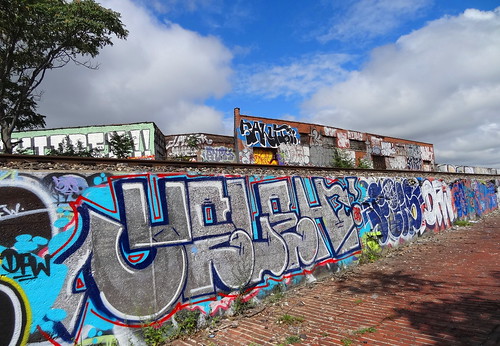
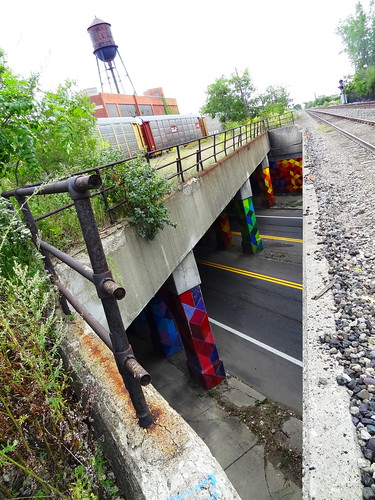
We walk Lincoln St to the underpass, more artwork by well-known artists. In the center brick pathways lead in both directions along the elevated train tracks, I wonder what they were used for. The golden tower of the Fisher building seems as though it’s only a stone’s throw away, the U-Haul building is visible too. The entire expanse of concrete before us is a collection of colors, forms, letters, designs, all mashed together; the face of the American Indian is captivating. We climb the elevation to the train tracks and get an entirely different perspective on our surroundings; the sculpture park below us looks small, contained. Train tracks stretch out for miles in opposite directions, one way leads to the city, the other looks so rural. Walking further we pass ancient looking lampposts, an old water tower watches over us, we reach the next overpass, cars whoosh by below us on Trumbull, a train rumbles by the next track over, my heart pounds with excitement.

lincoln 127 (1)

lincoln 159 (1)

lincoln 169 (1)

lincoln 174 (1)

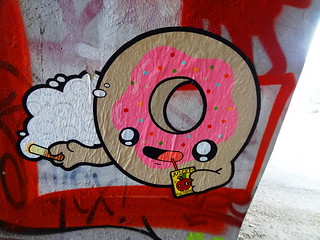
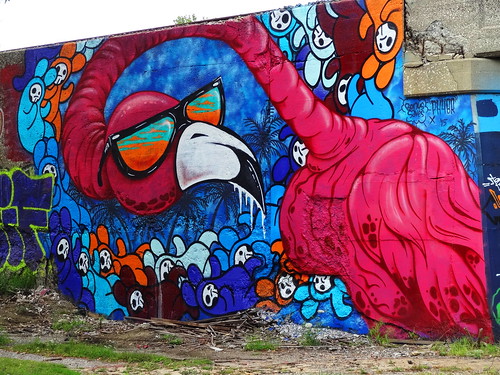
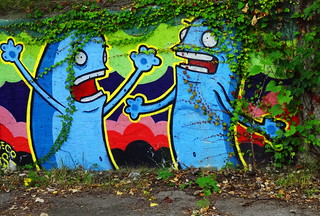
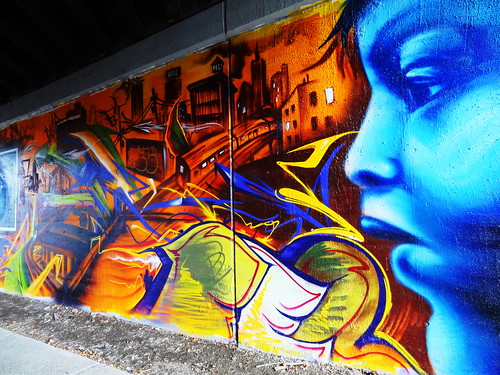
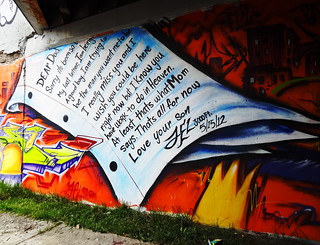
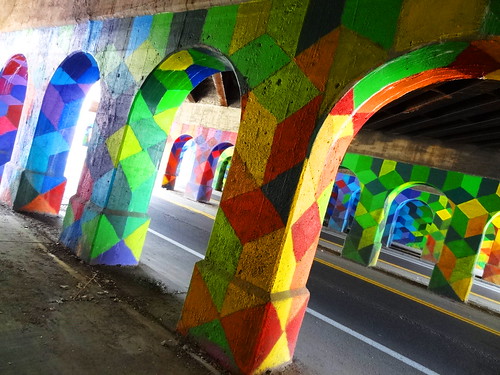
Investigating the underpasses reveals a wonderful collection of characters; storm troopers, panda’s, a flamingo, a doughnut with a cigarette sipping a juice box. Arches create frames, every surface is considered a blank canvas. Fel 3000 ft has created an amazing scene of buildings, bridges, skyscrapers; a city in motion. An image of a child all in blue on one side, on the other, a letter begins Dear Dad. The next underpass is completely covered in primary-colored cubes, the way the sun is lighting them is extraordinary.

lincoln 150 (1)

lincoln 165 (1)

lincoln 301 (1)

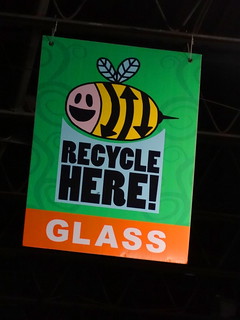
Recycle Here! on Holden resides in a huge building built by the Warren Motor Car Company in 1909. The company folded pretty quickly, the Lozier Motor Company moved in. During WWI the building was acquired by Henry Leland (creator of Cadillac) for airplane engine production, he then used it in the manufacturing of Lincoln automobiles. Dietrich Inc was the next to inhabit the structure. In 1926 Dietrich was the largest semi-custom production-body business in the country, producing 16-25 bodies a week for customers such as Chrysler, Packard, Lincoln and Pierce Arrow. Though all details are fuzzy there’s a big chunk missing in the timeline after Dietrich left; eventually a grocery distribution company bought the building which brings us to current owner, who purchased the building and turned it into the recycling center.

lincoln 182 (1)

lincoln 193 (1)

lincoln 268 (1)

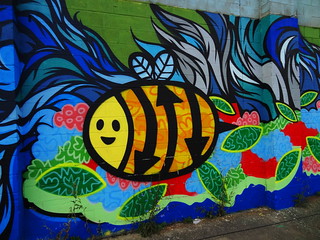
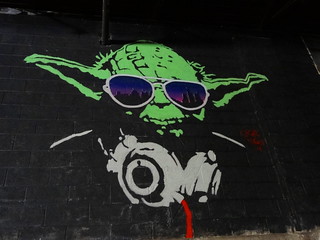
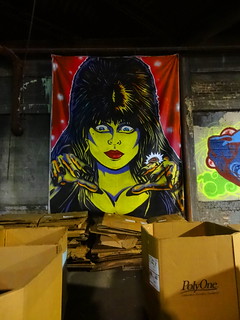
Detroit artist Carl Oxley is responsible for the Recycle Here! signature bumble bee, you will see the bee everywhere throughout the premises. The building’s walls are a continuation of the art we’ve seen in the park, artists have used their imaginations creating characters and scenes from silly to scary. The art carries us right inside the building. The interior is like some kind of funky gallery you take your garbage to, sort and dispose of it. Everything here is fair game; walls, dumpsters and vehicles are covered in colorful designs, a portrait of Bozo hangs next to one of a sunglass-wearing Yoda, Mc5 and Elvira are close by.

lincoln 231 (1)

lincoln 235 (1)lincoln 219 (1)

lincoln 233 (1)

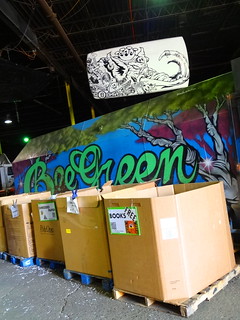
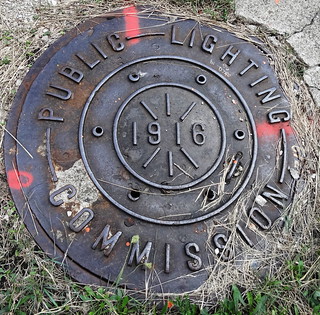
Huge cardboard boxes overflow with empty glass bottles, there’s a place for newspapers, magazines, plastics and batteries. A tangle of mufflers and exhaust pipes are the beginnings of a sculpture, paintings hang throughout the center. An endless stream of residents show up with bags and boxes of recyclables, music plays in the background, children are having a blast throwing things into their proper containers, neighbors and friends exchange friendly conversation. Outside used tires are stacked and used as planters, we walk around the immediate area, a manhole cover for the public lighting commission is dated 1916, buildings and bridges look long forgotten, a giant rat made from old pallets is situated on the lawn; artists have left there mark all over the district.

lincoln 253 (1)lincoln 249 (1)

lincoln 280 (1)

lincoln 201 (1)

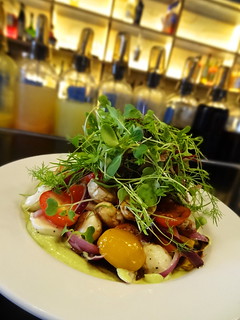
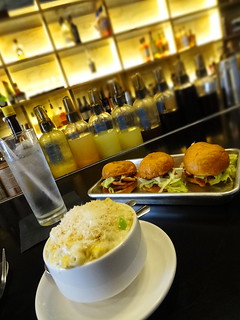
Tucked inside the Museum of Contemporary Art Detroit is Cafe 78, a collaboration between Wright & Company and MOCAD, the dining space serves breakfast, lunch, dinner and Sunday brunch. We park in the lot and enter the building, people are milling about, an event has just finished. The museum is closed while the work on Woodward continues, the cafe remains open. The bar is the focal point of the wide-open space. We sit at the counter and sip on icy-cold water waiting for our food to arrive. The super creamy Mac and Cheese is served in a small ceramic bowl, corn and thinly sliced scallions are mixed in, a shredded cheese and breadcrumb topping add flavor and texture. The peameal bacon sliders are served on brioche buns with a honey mustard sauce, it’s a great flavor combination. The tomato mozzarella salad was larger than expected; a rainbow of summer’s juiciest tomatoes and red onions sit atop creamy pesto, topped with fresh herbs, sunflower shoots and olive oil–Delicious.

lincoln 320 (1)

lincoln 314 (1)lincoln 307 (1)

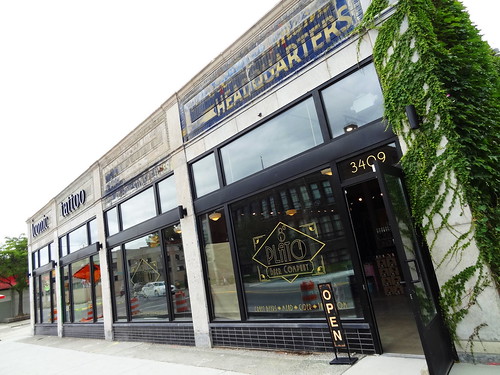
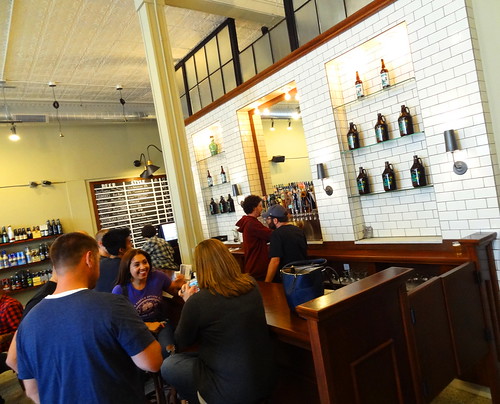
8 Degrees Plato Beer Company on Cass had their soft opening Friday, we’re checking it out. The bar and bottle shop sells craft beer, mead, cider and has an area dedicated as the tap room. The building was most recently home to Mantra and Showcase Collectibles in the old Chinatown neighborhood; after a great deal of hard work, time and renovation the building looks amazing! The exterior features large windows surrounded by stone, old lettering on the building remains intact, inside they were able to keep the original tin ceiling and terrazzo floors. The reclaimed mahogany tables came from the former Agave restaurant as did the bar top, the bar back was constructed with oak from Cass Tech bookcases, shelving is made from old bleachers and antique bakers racks, old subway tiles and windows all work together creating a quaint, cool atmosphere.

lincoln 342 (1)

lincoln 333 (1)

lincoln 328 (1)

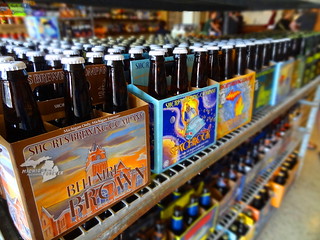
The 16 tap bar allows for a wonderful selection, we order 3 small pours: Oddside Mayan Mocha, Starcut Squishy and Right Brain Beaubiens Ribbon Farm sour mash red ale. Honestly, they were all great, but the Starcut Squishy semi-sweet cider with cherries really hit the spot, so we ordered another, full-size this time. It’s fascinating to just walk around looking at all the bottles; Michigan Craft Beers, regional beers, imports, Belgians, the list goes on. You can have a growler filled or pick up bottles, cans, 4 packs, 6 packs, cases– room temperature or ice cold. They sell snacks too, think Better Made chips, crackers, jam and jerky. 

lincoln 348 (1)

lincoln 345 (1)

The transformation taking place in Detroit right now is incredible, astonishing. Buildings with impressive history or once beautiful facades and interiors, shuttered for years, are being uncovered, repurposed and used again. The recycling continues……..


NORTHVILLE: Time Warp

10 Sep

northville 147 (1)

Northville is about 30 miles northwest of Detroit and has a surprisingly industrial heritage. The city was the location of Henry Ford’s first Village Industries factory. Mr Ford purchased the former Northville Mills building in 1919, eventually that building was razed and a larger one (designed by none other than Albert Kahn) built across the street that would provide valves for every Ford, Lincoln and Mercury vehicle built. The theory was by having small factories in rural communities a farmer’s income would be stabilized through the winter months, they were given a leave of absence to return to working on the farm. In 1972 Ford Motor Company donated the original building site to be used as a Historic Village, Mill Race Village was born.

northville 003 (1)

northville 010 (1)

northville 012 (1)northville 025 (1)

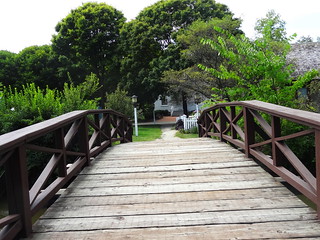
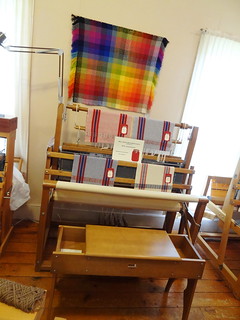
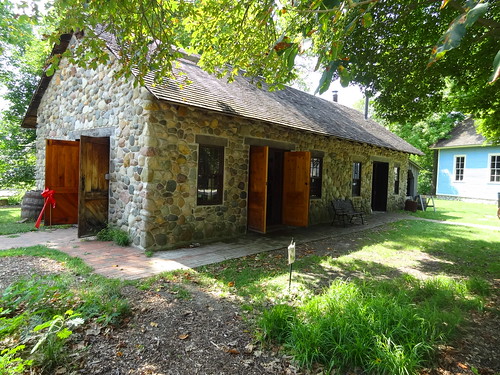
Operated by the Northville Historical Society, Mill Race Village is populated with buildings that were slated to be razed, preserving  architecture, furnishings and the lifestyle of the 19th century. On our way into the village we pass the Bell Pier, the 24″ bell was manufactured by the American Bell Foundry that operated in Northville from the 1890’s to the 1930’s; they were well-known for their dinner bells, bells for churches, factories, schools and farms. Crossing the wooden bridge we find ourselves in an old-fashioned village. We wander into a small home built circa 1889 that is now used as weaver’s studio, lovely textiles such as rugs, tablecloths and blankets are on display, a woman demonstrates how a loom operates. Pretty flower gardens fill front yards, huge Hydrangea bloom in beds, Black-eyed Susan’s and phlox add bursts of color.

northville 028 (1)

northville 031 (1)northville 049 (1)

northville 053 (1)

The Yerkes House built in 1873 is a gorgeous example of the Carpenter Gothic style; the green and tan beauty is adorned with ornate trim and decoration, I’m particularly fond of the pointed windows. The size of the home, furnishings and housewares convey the wealth of the family, the floating staircase is my favorite feature. Next we walk over to the river, water gently flows from one level to another, don’t miss the view!  The Hunter House built in 1851 is classic Greek Revival, it was moved to the village in 1972 from its original location on Main Street at Griswold.

northville 078 (1)

northville 018 (1)

northville 094 (1)

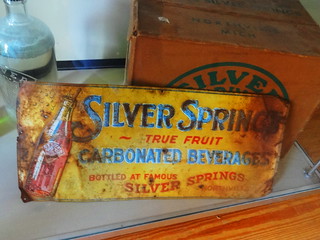
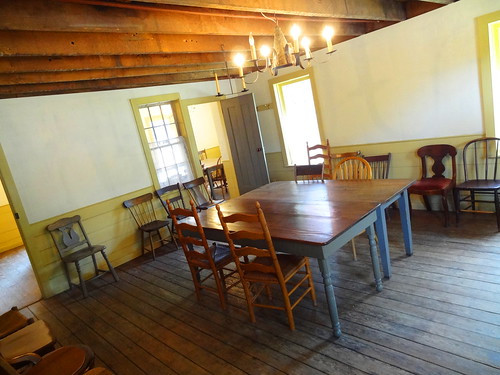
More people arrive as it gets later in the day, making it look like a bustling village. The New School Church is air-conditioned, we are grateful for that. This building has served many purposes from church to school, a barracks and then as the Northville library for 70 years. It can be rented for weddings, parties and meetings. Wash Oak school was the typical one-room schoolhouse we have all heard about, rows of desks await children, the flag hanging near the blackboard only has 47 stars. There’s activity at the Hirsch Blacksmith shop, a “smithy” is demonstrating his craft for visitors. The other side of this replica building houses rotating exhibit space, Kris and I enjoy the Silver Springs carbonated beverages display, fruity drinks such as the Lime Rickey were bottled right here in Northville.

northville 085 (1)

northville 100 (1)

northville 092 (1)

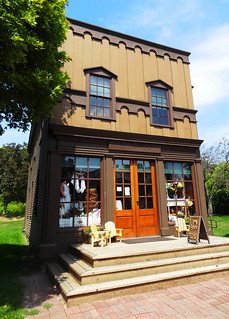
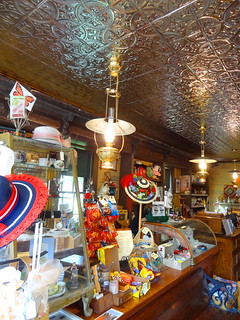
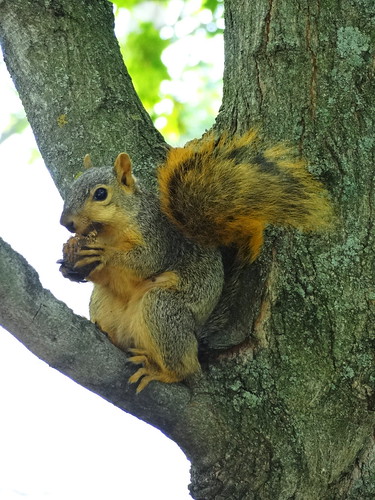
One of Northville’s oldest structures, built circa 1831, the Cady Inn was once a boarding house and stagecoach stop before it began serving hungry diners. These days the Historical Society Offices and Archives are located here; this space is also available for rental. The temperature continues to rise; at the General Store we purchase bottles of cold water and admire the original tin ceiling. This was the last timber-framed building standing in downtown Northville before being taken apart piece by piece and reconstructed on this spot. Outside we quench our thirst as we watch a resident squirrel enjoy an afternoon snack. Next door we stop in at the Interurban Station; this tiny building was originally the waiting room for Farmington’s transit system. A map of the interurban train line hangs on the wall, thick red lines trace routes from Detroit to Port Huron, Flint, Toledo and Ann Arbor.

northville 106 (1)

northville 104 (1)northville 105 (1)

northville 027 (1)

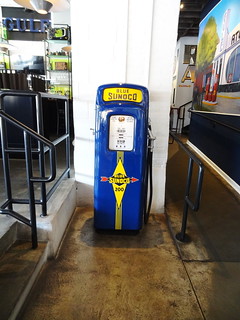
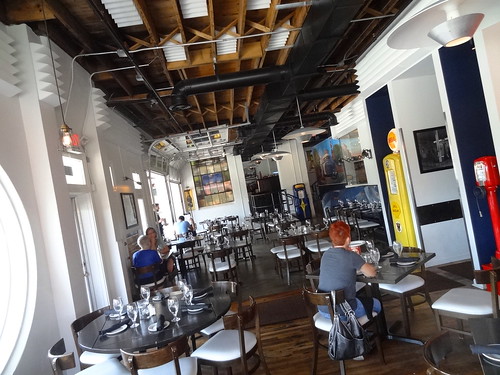
Downtown Northville still retains that small-town atmosphere despite its recent growth spurt. Grand Victorian era homes fill neighborhood streets, most built before 1930; old-fashioned street lamps and benches line Main Street, very quaint. We are having lunch at Garage Grill & Fuel Bar, a cool Art Deco style gas station-turned restaurant. Built in 1940 as a Gulf Oil gas station, it’s had many incarnations through the years: Sunoco gas station, Chrysler dealership, dry cleaner and what we remember it as, a garden shop. After a complete renovation it opened in 2012 as Garage.

northville 133 (1)

northville 125 (1)northville 120 (1)

northville 121 (1)

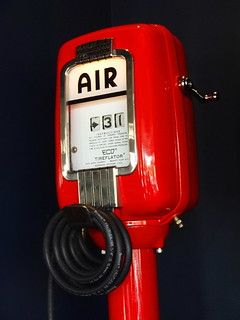
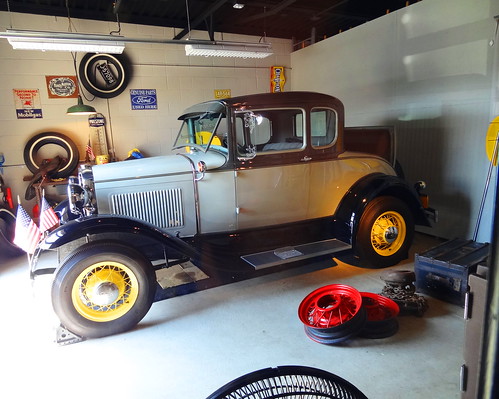
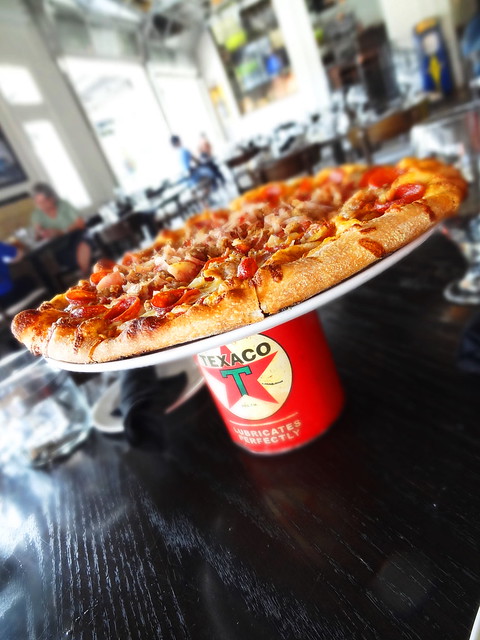
The interior decor plays homage to the structures origins; air pump, gas pump, vintage toys, photographs and a bunch of automotive memorabilia. The hanging light fixtures are pure deco, did I mention the booth seating is done in Levi’s? Just as we finish our salad our Big Sicilian pizza arrives, no pizza stands here, just Texaco oil cans! The pizza is covered with pepperoni, house-made sausage, prosciutto, bacon, red sauce and mozzarella, so flavorful, absolutely delicious! On the way out we have a peek at the fully restored 1930 Ford Model A in the back, sweet.

northville 123 (1)

northville 126 (1)

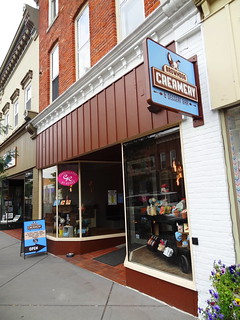
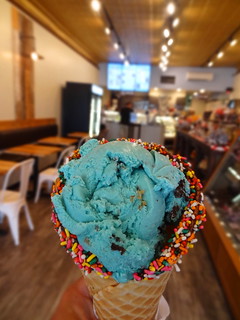
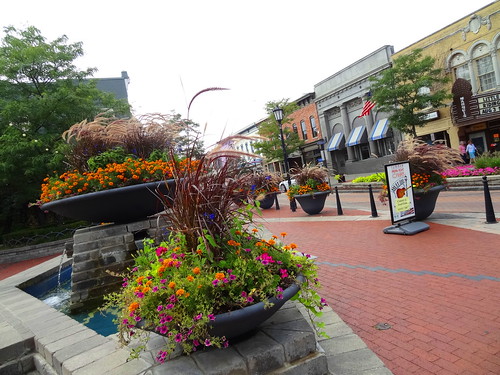
Walking down Main Street we stumble across Browndog Creamery & Dessert Bar, we know what will happen if we go in, but we can’t resist. The shop makes small-batch ice cream and desserts all in house; the baked goods are tempting, but what’s better on a hot summer day than ice cream? Flavors are unique, french press mocha, triple vanilla, pumpkin road, and one I had to try, New Holland Poet Oatmeal Stout—-it has a nice taste. In the end we walked out with one of those waffle cones dipped in chocolate, smothered in sprinkles and filled with Cookie Monster ice cream. Don’t let the blue coloring throw you, it’s pretty tasty, a vanilla-ish base loaded with a variety of cookie pieces. We join other leisure-seekers in the attractive town square; tall grasses and trailing petunia emerge from large urns, we finish our ice cream cone to the sound of water splashing in the fountain, such a nice place to relax.

northville 154 (1)northville 143 (1)

northville 150 (1)

It seems no matter where we find ourselves in the metro area we are always learning, always discovering, and  best of all, having a great time!